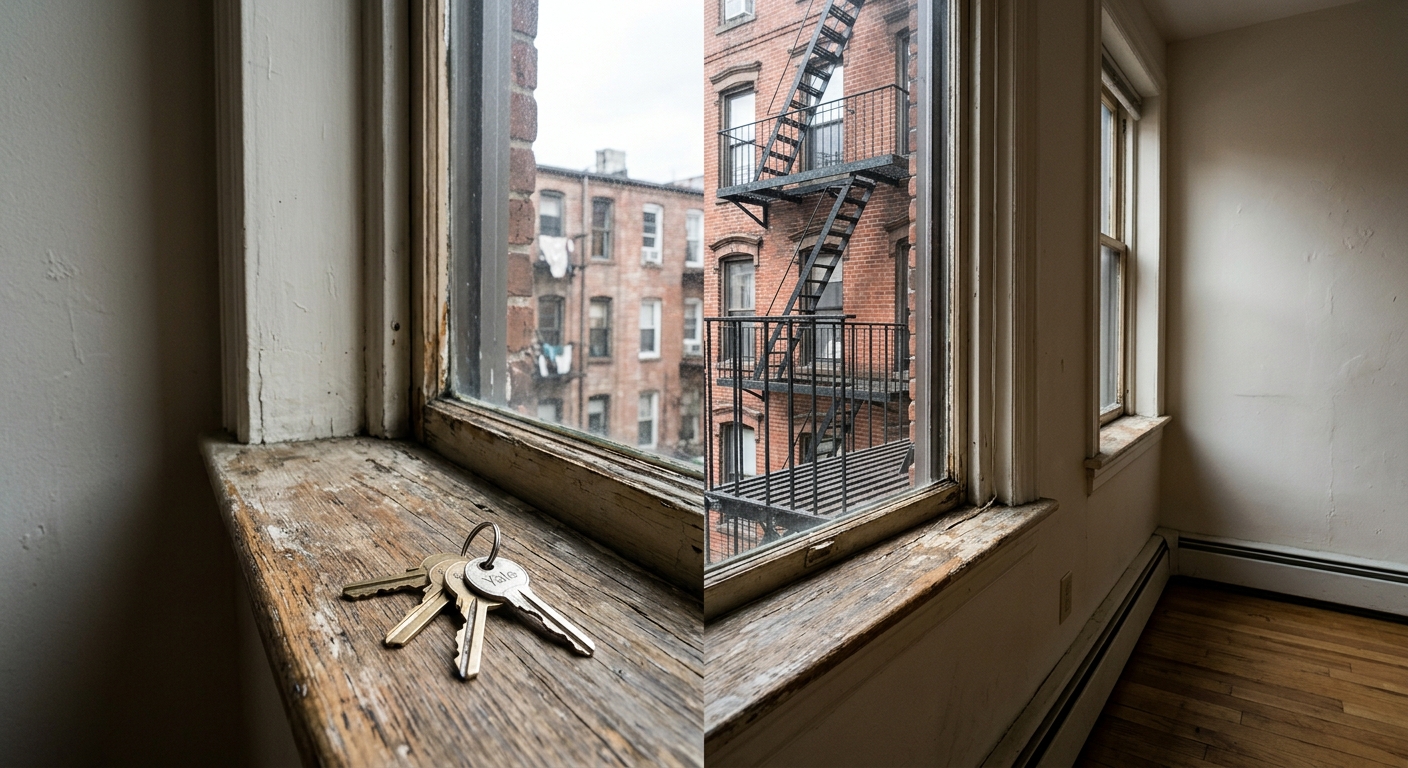
AI-generated illustration; not a photograph of the reported event.
- calendar_today November 12, 2026
NYC Health and Hospitals Initiative Leads to Major Healthcare Savings
A new study conducted by NYC Health and Hospitals, in partnership with its insurance subsidiary MetroHealthPlus and Wakely Consulting Group, shows that homeless New Yorkers experience dramatic reductions in healthcare costs after receiving housing. This research underlines the financial and health benefits of stable housing for vulnerable populations.
Tracking Healthcare Spending for Formerly Homeless Individuals
The study followed Medicaid claims for 259 New Yorkers who were assisted in finding apartments or supportive housing by NYC Health and Hospitals. According to the findings, healthcare costs fell by almost $17,000 per person in the two years following placement in stable housing. This drop stemmed largely from fewer emergency department visits and inpatient hospital stays.
Emergency Department Visits and Inpatient Stays Drop Steeply
Participants’ emergency department visits declined by approximately 40% within the first two years of being housed. Similarly, inpatient stays dropped by 36%. Prior to finding housing, study participants averaged 10 days in the hospital annually, compared to just five days after obtaining housing.
Shift in Medicaid Costs and Increase in Preventive Care
The most significant reduction in spending came from inpatient care costs. Monthly inpatient care expenses per person decreased from an average of $1,278 before housing placement to $492 in the first year after being housed. While overall healthcare costs dropped, the study reported increased spending on doctors’ visits and non-emergency services, such as substance use treatment. This suggests a shift toward more preventive care and sustained outpatient management.
Comparing Outcomes for Housed and Unhoused Patients
The study also compared the outcomes of the newly housed cohort with a group of MetroHealthPlus enrollees who remained homeless but began with similarly high healthcare utilization. Over time, those who obtained housing had lower healthcare costs than those who did not. However, for newly housed individuals, the reduction did not bring their costs below those of the broader MetroHealthPlus homeless population.
Expanding Housing for Health in New York City
NYC Health and Hospitals reports serving over 60,000 patients who are homeless or unstably housed each year. Many are considered 'frequent flyers' due to repeated hospital or emergency department use. Under the Adams administration's Housing for Health Initiative, the hospital system assists patients with permanent housing placements and is developing supportive and transitional housing, particularly for those leaving inpatient care without stable housing options.
Leora Jontef, leader of NYC Health and Hospitals’ Housing for Health initiative, emphasized the urgency of addressing the needs of this high-risk population: “This patient population is sicker than housed New Yorkers.” The initiative’s expansion, supported by findings such as these, aligns with efforts to improve healthcare outcomes by addressing homelessness.
Related coverage
Source: gothamist.com.