- calendar_today August 12, 2025
Following years of uncertainty, 2025 is shaping up to be a recalibration year for New York’s housing market. The pandemic-fueled surge has cooled, replaced by a more level-headed climate where data-driven strategy is replacing emotional buying.
Home prices in suburban pockets like Westchester County and Suffolk have begun to stabilize after sharp climbs, while Manhattan and Brooklyn show a marked slowdown in appreciation, reflecting a realignment in buyer priorities. According to data from the New York State Association of Realtors (NYSAR), closed sales increased by 3.9% in February—driven largely by returning confidence in upstate metros and commuter belts.
What’s fueling this cautious optimism? Mortgage rates, now sitting around 6%, have plateaued. And with inflation retreating to 2.8%, would-be buyers and sellers are taking a breath. The sense of urgency that once defined New York real estate has given way to a more calculated, long-view approach.
Build-to-Rent Communities Reflect a New Era in Housing Demand
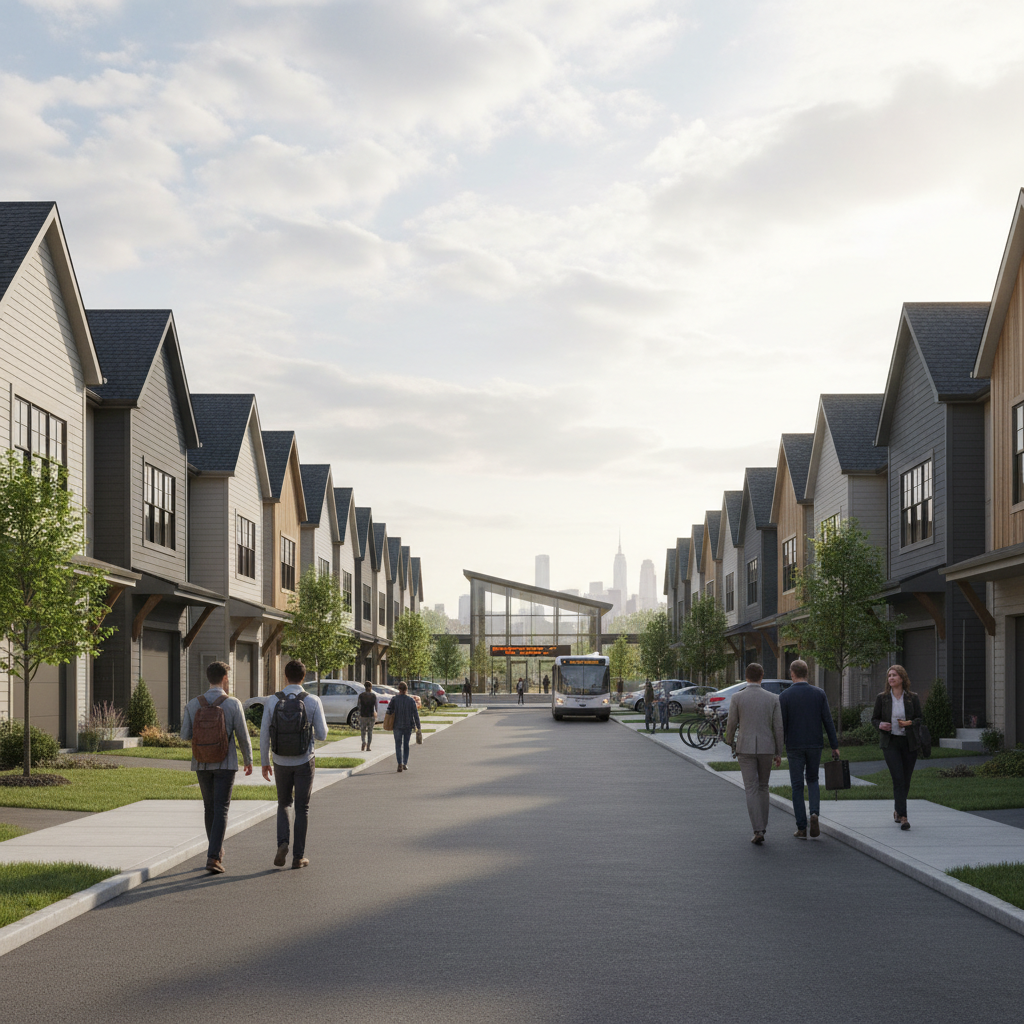
Once a hallmark of the Sun Belt, build-to-rent communities are now reshaping the narrative in New York’s outer boroughs and northern suburbs. Developers have taken notice of demand spikes in towns like New Rochelle, Yonkers, and Hempstead, where traditional homeownership is increasingly out of reach for middle-income earners.
Behind this trend is a demographic evolution. Millennials—now in their peak family formation years—are still navigating the financial residue of student debt and economic turbulence. Meanwhile, Gen Z, just entering the job market, is often more interested in flexibility and lifestyle amenities than property titles.
According to a recent Yardi Matrix study, several thousand build-to-rent units are now in various stages of development across the Northeast, with the Hudson Valley emerging as a hotbed for these purpose-built communities. One developer working on a mixed-use rental village in Dutchess County noted, “We’re not just building homes—we’re building neighborhoods for renters who don’t want to compromise.”
Smaller Cities and Secondary Markets Gain Ground
Away from the skyscrapers of Manhattan, cities like Buffalo, Rochester, and Albany are enjoying renewed attention. Once labeled “forgotten markets,” these areas are now on the radar of investors and families alike. Zillow’s 2025 rankings named Buffalo the nation’s top housing market, citing its affordability, vibrant arts scene, and tech hiring boom.
In Rochester, a newly converted warehouse apartment complex saw full occupancy within weeks, driven by an influx of remote workers and med-tech professionals. Local realtors credit this to “a perfect storm of affordability, walkability, and culture”—a combination increasingly scarce in New York’s legacy metros.
Smaller markets are also benefiting from the strategic shift by employers moving operations away from high-tax, high-cost urban cores in search of lower overhead and a more stable workforce.
Mortgage Rates and Inflation Shape the Investment Climate
The Federal Reserve’s decision to hold interest rates between 4.25% and 4.5% has provided welcome stability for investors used to sharp pivots. In New York, the implications vary greatly by geography.
In boroughs like Queens and Manhattan, the average monthly payment for a mid-tier condo remains nearly 30% higher than in 2019. But in counties like Broome or Ulster, buyers are finding opportunities to lock in at relatively affordable prices with less competition and more room for long-term appreciation.
Cooling inflation has added to the stability narrative. With the Consumer Price Index easing for the third consecutive month, real estate is once again being viewed not just as shelter, but as a hedge against economic volatility.
Commercial Real Estate Remains a Cautionary Zone
Despite hopeful signs in residential, commercial real estate in New York City remains under pressure. Midtown office towers that once boasted waiting lists are now offering tenant incentives and flexible lease terms. CBRE reports vacancy rates exceeding 22% in several Manhattan submarkets.
Part of this shift is structural. Remote and hybrid work is no longer an experiment—it’s a new normal. As such, developers are reimagining former office spaces into mixed-use hubs, blending residential lofts, co-working studios, and wellness retail in an effort to recapture foot traffic and utility.
Not all is bleak, however. The industrial and logistics sector, especially in The Bronx and Staten Island, has benefited from the e-commerce boom. Distribution centers and last-mile delivery hubs are not just expanding—they’re becoming critical infrastructure.
REITs and Real Estate Funds Offer Alternative Exposure
For those wary of New York’s high entry costs, REITs (Real Estate Investment Trusts) offer a more liquid route to participate in the property market. The Vanguard Real Estate ETF (VNQ), one of the most widely held funds, posted a 9% annual gain as of April, largely fueled by strength in residential and logistics holdings.
Multifamily-focused REITs with exposure to Queens, The Bronx, and urban Jersey markets are outpacing those tied to commercial assets. This mirrors a larger narrative shift: investors are betting on housing demand, not cubicle comebacks.
Industry analysts suggest balancing portfolios across sectors, particularly as demand remains strong in rental housing, but volatility continues in traditional office real estate.
What to Watch for the Rest of 2025
Several moving parts are shaping the outlook for real estate in New York:
- The 2025 presidential election and potential regulatory shifts in housing and taxation
- Adjustments to the Inflation Reduction Act and green energy building codes
- Continued migration from NYC to secondary cities or states with lower living costs
- Climate-related challenges, especially in coastal zones like Long Island, where flood maps and insurance premiums are being redefined
Industry voices are urging investors to consider climate resilience and zoning reform as part of their due diligence. As one Brooklyn-based urban planner put it, “In 2025, location still matters—but vulnerability matters more.”
Real estate in New York this year is no longer about seizing the fastest-growing asset. It’s about interpreting long-term trends, understanding hyperlocal dynamics, and staying agile in the face of broader shifts—economic, environmental, and demographic.
For ongoing insights into New York housing markets, investment trends, and expert forecasts, sign up for the weekly investor intelligence briefing