- calendar_today April 25, 2026
The persistent rise in measles resurgence across New York and the wider nation has intensified concerns among health authorities, marking a stark shift from the relatively low incidence rates observed two decades ago. In a year that has already seen more than 1,700 cases nationally—compared to approximately 70 cases annually in the early 2000s—the region stands at a crossroads in safeguarding community public health.
New York’s Public Health Faces Renewed Challenge
Health professionals and local officials are raising alarms about the significant uptick in measles cases, warning that lapses in vaccination programs create vulnerabilities for preventable diseases such as measles, whooping cough, and Hib infection. Throughout the state, recent measles outbreaks have renewed advocacy for comprehensive immunization policies, emphasizing the critical role vaccines play in protecting both individual and community well-being.
The Impact of Misinformation and Vaccine Skepticism
One of the primary factors behind the persistence of these outbreaks is the proliferation of vaccine skepticism. High-profile individuals, including Robert F. Kennedy Jr., have contributed to public uncertainty by promoting unsupported claims regarding vaccine safety and endorsing unproven medical interventions. This climate of doubt has, in many cases, led to hesitancy or outright refusal in routine immunization, weakening federal vaccine policy efforts and jeopardizing herd immunity.
Policy Setbacks and Legal Responses
Structural changes to vaccination guidelines have added new challenges. The elimination of the flu shot requirement for certain military branches reflects a broader pattern of policy relaxation. However, some recent judicial and administrative developments offer hope to public health advocates. A federal judge recently blocked proposed modifications to the childhood vaccine schedule, ensuring that important safeguards remain intact. In addition, new CDC leadership grounded in scientific expertise has been appointed, promising a renewed commitment to evidence-based policy-making in the region.
Protecting Communities from Preventable Diseases
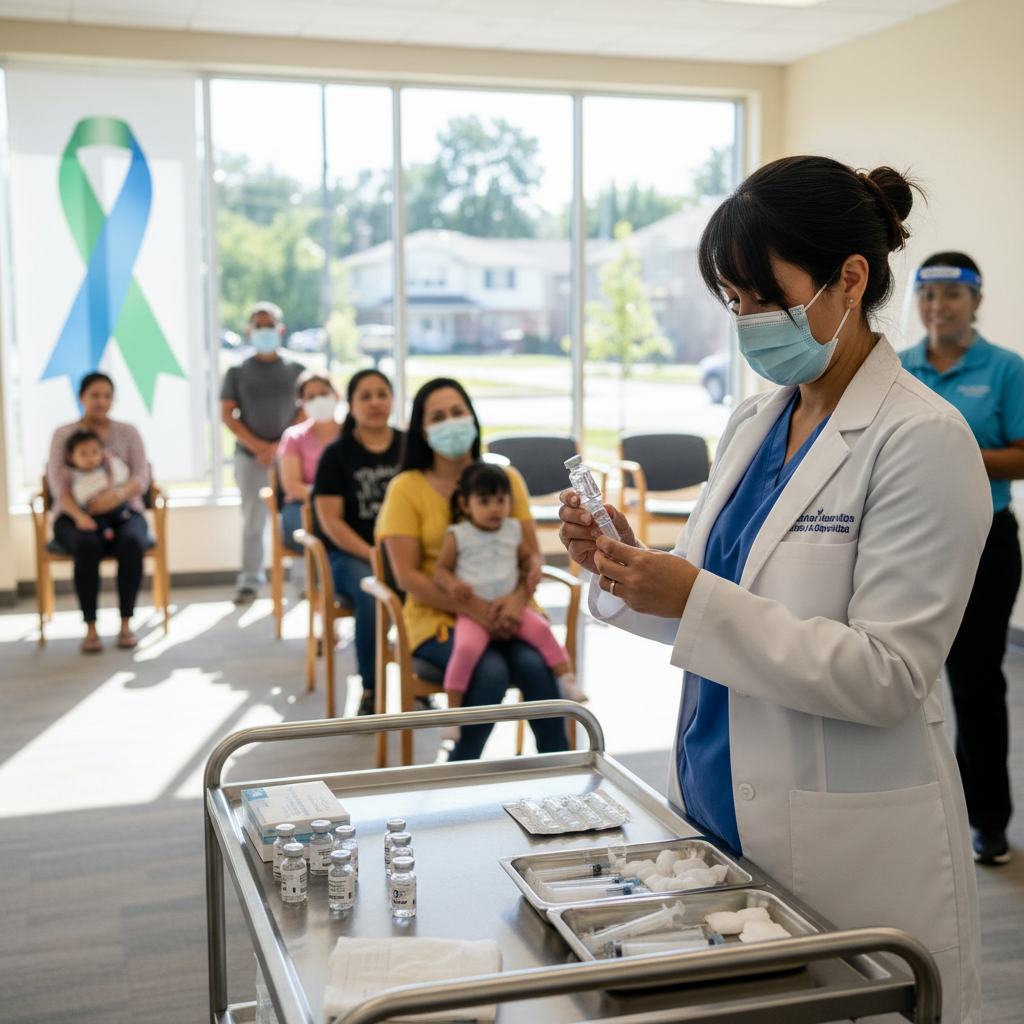
With the continued risk of measles outbreaks, healthcare systems and educational institutions across New York remain vigilant. Schools, hospitals, and community clinics have observed that lapses in routine immunization can result not only in higher rates of measles resurgence, but also elevate risks related to whooping cough and hib infection. Experts urge families and caregivers to consult healthcare providers on maintaining up-to-date immunizations, cautioning that delayed or incomplete vaccination endangers children as well as vulnerable populations such as the elderly or immunocompromised.
A Bipartisan Call for Advocacy and Action
Leaders across the political spectrum, alongside religious and corporate stakeholders, are calling for a unified and bipartisan approach to restore public trust in vaccines. Advocacy organizations have initiated local campaigns throughout New York, aiming to dispel myths and ensure equitable vaccine access in urban centers and rural communities alike. As misinformation continues to circulate online and in some communities, coordinated efforts remain essential to counteract its influence.
Looking Ahead: Restoring Confidence in Vaccination Programs
Addressing the challenge of measles resurgence is regarded as a priority for New York’s public health infrastructure. Sustained outreach, transparent communication, and robust educational initiatives are regarded as central pillars in re-establishing confidence in the safety and efficacy of vaccination programs. In doing so, residents and the broader public health network can better shield local communities from preventable diseases and foster a more resilient future for the region.