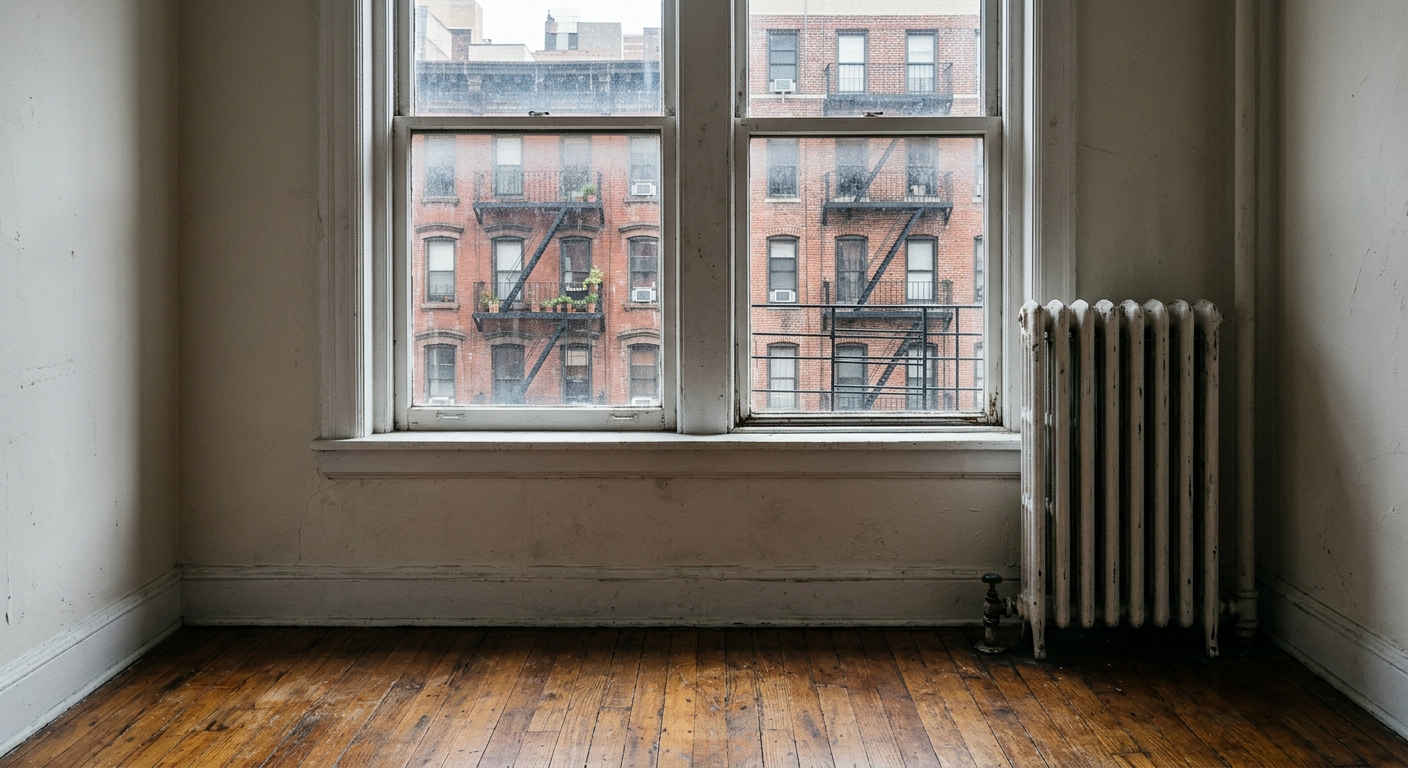
AI-generated illustration; not a photograph of the reported event.
- calendar_today November 20, 2026
Thousands of Supportive Housing Apartments for Homeless Sit Vacant
City data from September reveals that 6,159 apartments specifically reserved for homeless New Yorkers remained empty, outnumbering the nearly 5,000 people estimated to be sleeping outside. The report, released by the New York City Department of Social Services, marks the highest vacancy figure since the agency began monthly vacancy reporting in November of the previous year.
Homeless Advocates Voice Concerns
The significant number of unused supportive housing units has prompted concern from advocates as colder weather approaches. Craig Hughes, a social worker at Legal Services NYC, described the figure as alarming, emphasizing that these vacancies represent missed opportunities to save lives for those without shelter.
Understanding NYC Supportive Housing Units
Supportive housing in New York City is designed for individuals experiencing homelessness who also have mental illness, substance abuse disorders, or other special needs. The city hosts more than 42,000 such apartments, funded through a mix of city, state, and federal sources. Tenants typically pay no more than 30% of their income for rent and receive additional services such as counseling and case management to help them remain housed.
Debate Over Vacancy Numbers and Causes
The Supportive Housing Network of New York, representing 200 providers statewide, contests the reported vacancy statistics, claiming that once units under renovation or awaiting referrals are excluded, vacancies drop to approximately 1,000 apartments, a 2.5% vacancy rate. The organization also notes that some units included in city reports are state-managed units that do not technically qualify as supportive housing.
Of the more than 6,100 vacant units reported in September, 4,270 had no tenants assigned nor in the process of moving in. Many require repairs or renovations, and some are unoccupied due to bureaucratic delays or tenant rejections of intensive service placements or shared rooms. Nearly half of the empty units are overseen by the state’s Office of Mental Health, with officials citing move-out renovations, legal issues, and new units awaiting occupancy certificates as contributing factors.
Calls to Address Bureaucratic and Structural Barriers
Advocates, including Councilmember Lincoln Restler, argue for a focused effort on renovating and filling these vacant apartments, especially for those living on the streets or in transitional housing. Others, such as Hughes, point to procedural issues, including applicant rejection for vague reasons and lengthy placement times, citing a need for city action to prevent unnecessary evictions and turnover.
State and city officials acknowledge the issue and say reforms are underway. Justin Mason, a spokesperson for the state Office of Mental Health, reported steps toward reducing delays and regulatory changes to facilitate faster placement. The city’s Department of Health and Mental Hygiene noted that less than 2% of its units were vacant and ready for immediate occupancy. Department of Social Services spokesperson Nicholas Jacobelli stated that the agency is expediting repairs and housing placements compared to the previous year.
Context of Persistent Homelessness in New York City
The vacancy issue persists as more than 83,000 New Yorkers are estimated to sleep in city shelters, in addition to those living outside. After a deadly winter period last year, city leaders including Mayor Zohran Mamdani pledged to prioritize filling supportive apartments. Nevertheless, the number of vacant units has nearly doubled since that time.
Hughes called on city and state leaders to recognize the vacancy rates as a crisis, underscoring the disconnect between thousands of empty apartments and the high numbers of unsheltered and sheltered homeless individuals across New York City.
Source: gothamist.com.