- calendar_today October 22, 2026
NYC Council Nears Approval of Community Opportunity to Purchase Act
The New York City Council is set to pass the Community Opportunity to Purchase Act (COPA), a significant housing measure designed to give nonprofit groups, tenant associations, and select developers a first opportunity to purchase distressed apartment buildings before they are made broadly available for sale. The legislation follows several unsuccessful attempts in prior years and would grant nonprofits a critical advantage in the effort to acquire and rehabilitate troubled properties while maintaining affordable rents.
Key Details of the COPA Bill
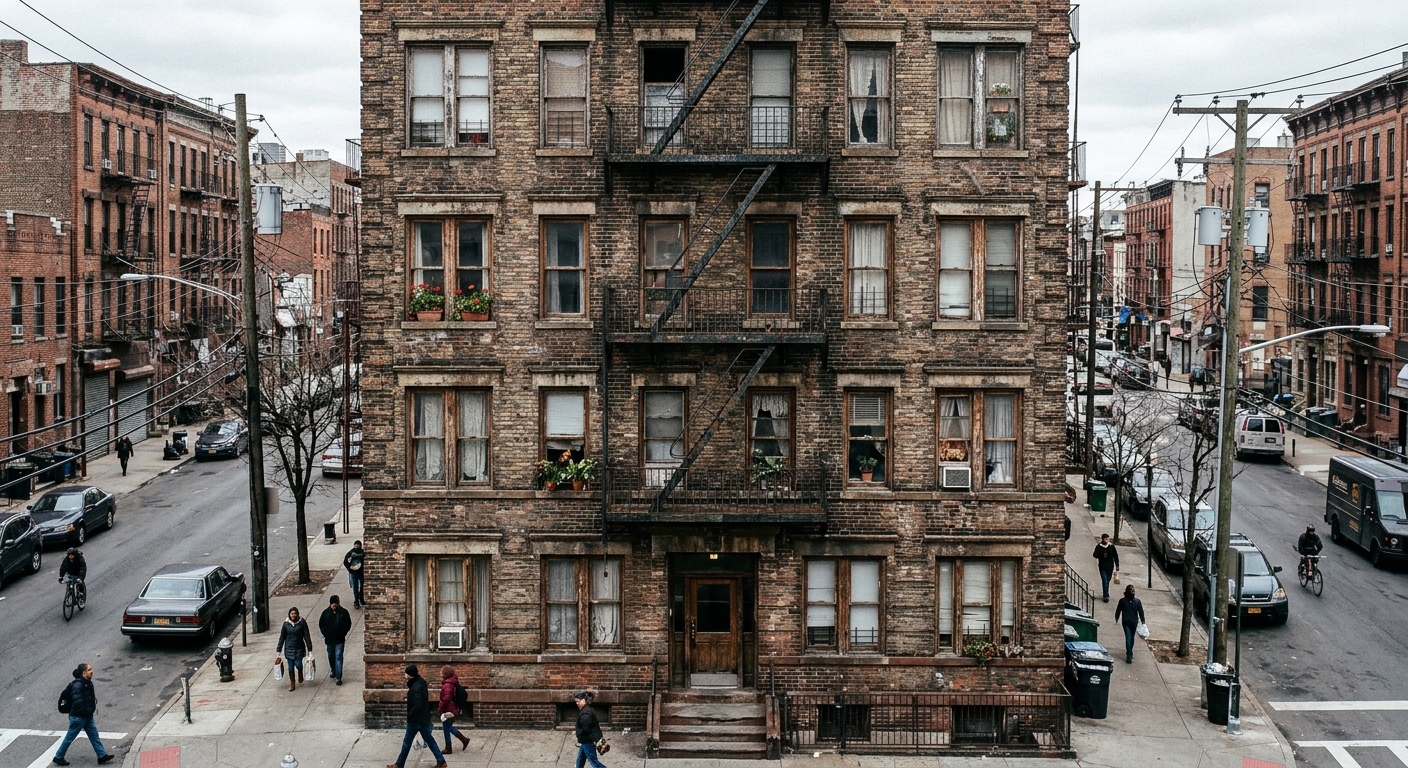
The proposed COPA bill is expected to cover approximately 2,100 buildings throughout New York City identified as having serious safety or financial issues. According to the city’s Department of Housing Preservation and Development, the target properties include buildings with at least four apartments deemed “distressed”—such as those with at least three violations per unit, properties enrolled in housing code enforcement programs, or those facing municipal foreclosure due to unpaid taxes or fines.
Owners of these buildings will be required to notify the city’s housing agency before listing them for sale. After notification, tenant groups, nonprofit organizations, and some private developers will have a 20-day period to express interest and request financial data. An additional 70 days will be provided for these groups to make a formal purchase offer, during which time they may also match outside bids in a secondary period.
Legislative Support and Opposition
Sponsored by Councilmember Sandy Nurse and backed by Mayor Zohran Mamdani, the COPA legislation has gained momentum with 33 Council sponsors. Nurse emphasized that the bill seeks to foster “community control” over properties in financial or physical distress, giving neighbors and local organizations a fighting chance to preserve affordable housing and address severe building hazards.
The act is seen as a tool to curb acquisitions by private equity firms and companies known for neglecting repairs in pursuit of higher profits, helping to maintain stable rents and appropriate property upkeep for tenants. High-profile cases, such as properties owned by jailed landlord Daniel Ohebshalom in Upper Manhattan, have been cited as fitting examples for COPA’s application.
Real estate and landlord groups, however, have voiced strong opposition. Ann Korchak, President of the Small Property Owners of New York, warned that the bill could harm small property owners and hinder the city’s real estate market. The real estate industry’s lobbying led to the bill being vetoed by former Mayor Eric Adams last year, and Council Speaker Julie Menin did not advance it at that time after legal concerns were raised by the city Law Department.
Compromise and Industry Response
In May, modifications were made to the COPA bill to reduce the timeline before eligible buildings reach the open market. The Real Estate Board of New York, the city’s leading real estate advocacy group, indicated that it supports the revised, more targeted version of the legislation. Board President James Whelan expressed appreciation for the Council’s willingness to refine COPA and stated hopes for continued collaboration to protect tenants, preserve affordable housing, and foster the creation of new homes in New York City.
Next Steps for COPA
The Council’s housing committee is scheduled to cast its vote, with a full Council decision expected shortly after. Given the customary procedure of not bringing a bill to the floor unless assured of passage, approval for COPA appears all but certain. If passed, it is poised to become a key component of the city’s efforts to maintain affordable housing, empower tenant groups and nonprofits, and respond to longstanding calls from housing advocates for more equitable building sales and ownership opportunities.
Conclusion
As New York City continues to grapple with housing affordability and preservation, the Community Opportunity to Purchase Act stands as a notable legislative effort to prioritize nonprofit housing, community needs, and responsible ownership over distressed rental properties. The measure’s passage could reshape the landscape of building sales and tenant ownership in the city, though debate from real estate opposition and landlord organizations persists.
Source: gothamist.com.