- calendar_today October 22, 2026
MTA Announces Major Subway Signal Upgrades for Brooklyn and Queens
The Metropolitan Transportation Authority (MTA) has announced a comprehensive six-year project to upgrade signals on the A and C subway lines serving Brooklyn and Queens. The $1.9 billion initiative will begin in November 2023 and aims to modernize key stretches of these busy lines with advanced technology.
Installing CBTC Technology for Improved Performance
Central to the project is the installation of communications-based train control (CBTC) technology. This automatic train control system allows trains to operate at faster speeds and promises more reliable service between Lefferts Boulevard station in Ozone Park, Queens, and High Street in Brooklyn. The new technology will enable dispatchers and operators to monitor train locations in real time, addressing longstanding limitations of the existing system.
Replacing 1930s-Era Signals
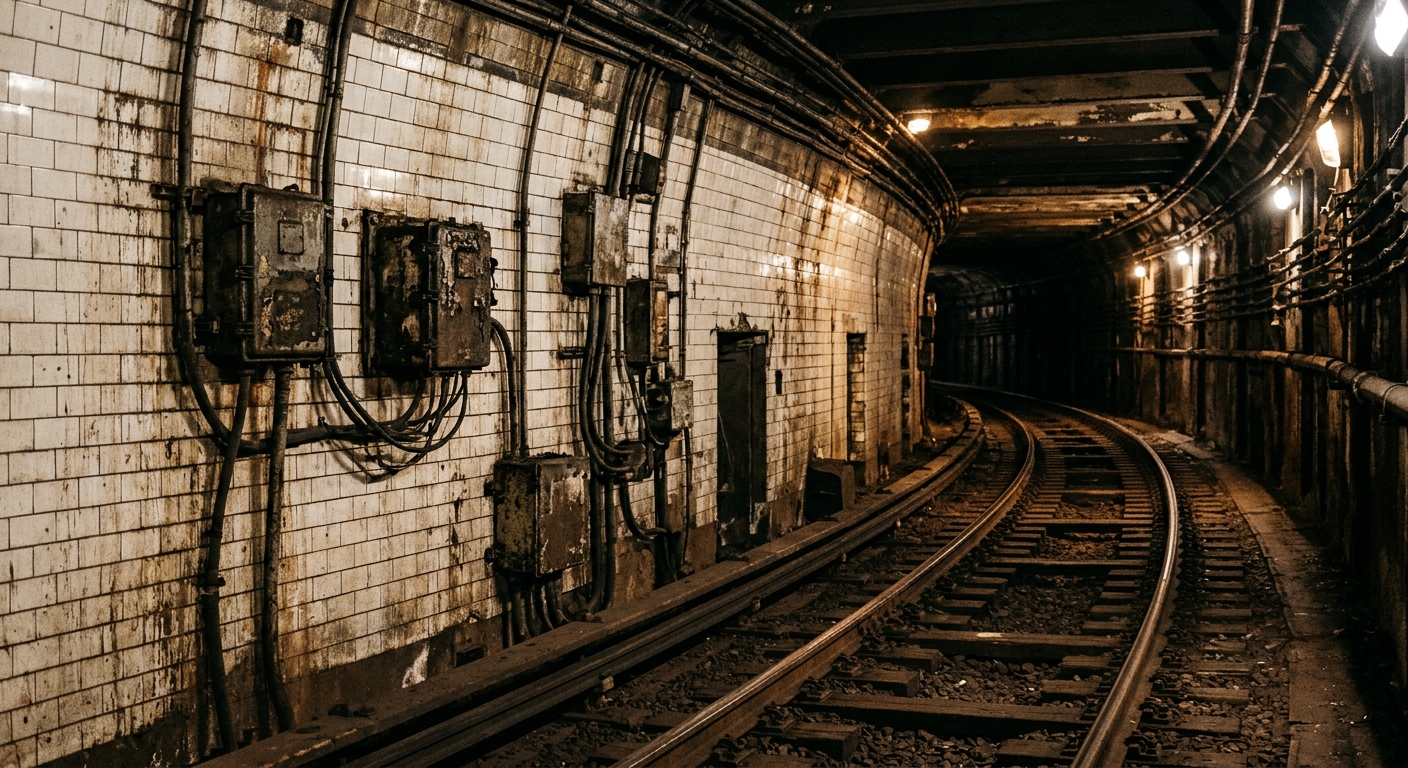
The current signals used on these lines date back to the 1930s. MTA Chair Janno Lieber emphasized the significance of this upgrade at a recent press conference, stating, “We are saying goodbye to those 1930s signals. It's time to turn over those relics to the transit museum and actually install CBTC.”
For decades, MTA workers have relied on these older systems, which provide limited information on train positions and require manual coordination. The upgrade will move the lines in line with other parts of the subway system, such as the L and 7 trains, which already utilize CBTC.
Project Timeline, Disruptions, and Impact
The signal modernization project is the MTA’s most ambitious signal upgrade to date, covering a four-track section along the A and C lines. The A line is the longest in the subway system and serves an estimated 750,000 riders each weekday.
Work is set to commence on November 7, just after the upcoming elections. As part of the upgrade’s early stages, A trains will not operate between Rockaway Boulevard and Ozone Park-Lefferts Boulevard for approximately nine days, affecting three stations. Shuttle bus service will be provided for affected commuters during this period.
Despite the anticipated improvements, the full project will not be completed until 2032, and MTA officials acknowledge there will be disruptions to regular service during the construction period.
Challenges in Subway Signal Modernization
The MTA is currently behind schedule on several key signal upgrade projects systemwide. According to a consultant’s report published in 2025, four ongoing signal modernization projects are experiencing significant delays ranging from nine months to three years, with two also facing budget overruns. Projects mentioned include planned upgrades on parts of the A, C, and E lines in Manhattan; the F line in South Brooklyn and Eastern Queens; and the G line between Brooklyn and Queens.
Future Plans for Automatic Train Control
MTA construction chief Jamie Torres-Springer noted that the next major signal modernization effort will focus on bringing CBTC technology to the B, D, F, and M lines beneath Manhattan’s Sixth Avenue. While computer-driven trains are now standard on some lines, current contracts require a human operator at the front of each train, although some advocacy groups have called for considering alternatives to further improve efficiency and reduce costs.
Source: gothamist.com.