- calendar_today August 15, 2025
Introduction
In a daring attempt to redefine America’s manufacturing sector, Hyundai Motor Group has committed $21 billion to the country. The massive investment will increase the production of electric vehicles (EV), enhance steel supply chains, and expand the group’s manufacturing presence in the country.
The announcement comes at a time when the U.S. auto and steel industries are navigating economic uncertainty, shifting global supply chains, and surging demand for EVs. Hyundai’s decision is not just a business expansion—it’s a clear message about the company’s long-term vision and its confidence in the American market.
Hyundai’s Investment: A New Era for the U.S. Auto Industry
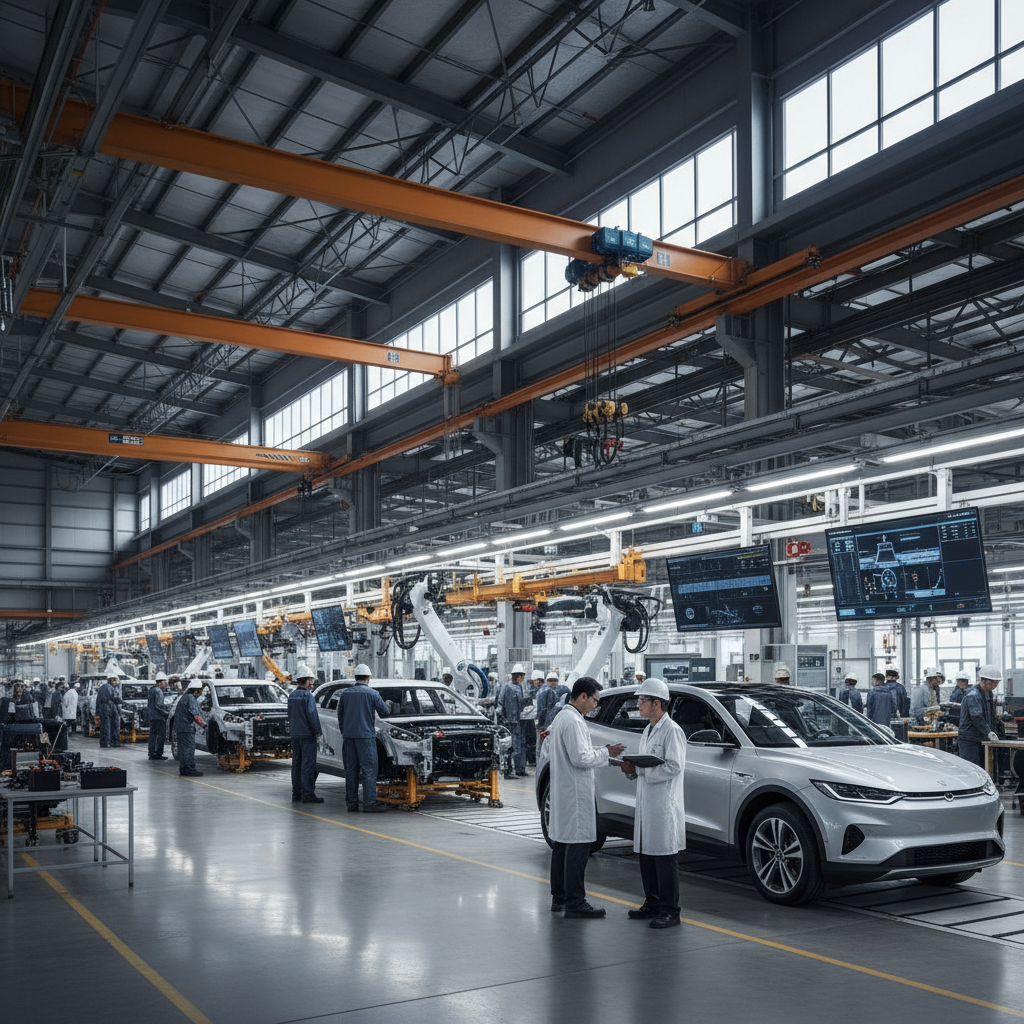
A significant portion of Hyundai’s investment will be directed toward scaling electric vehicle production. This includes:
- Constructing new state-of-the-art EV manufacturing plants in key U.S. locations.
- Upgrading existing factories to accommodate modern EV assembly lines and automation systems.
- Boosting domestic battery production, ensuring supply chain security and cost efficiency.
- Enhancing R&D capabilities to pioneer next-gen EV technologies and advanced driver assistance systems.
This investment is part of Hyundai’s global EV war leadership program. As the US government casts light on cleaner transport and zero-emission proposals, Hyundai expansion arrives opportunistically to populate these national plans.
Rising Competitive Pressure
These giant American vehicles—Ford, General Motors (GM), and Tesla—are experiencing rising competitive pressure today. Hyundai’s assertive shift can put old guards in:
- Expediting innovation and electrification timeframes.
- Upselling consumer enticements and EV funding deals.
- Re-examining price and customer experience.
As Hyundai moves into North America, the EV marketplace will be forced to change its dynamics, with increased development cycle speed and more customer option within electric vehicles.
Steel Industry Responses: Opportunity and Uncertainty
Hyundai investment is not only automobile but also strategic investment in the steel sector, which is a part of automobile manufacturing. Since the automobile body frame and chassis are highly reliant on steel as a material for construction, the investment by the automobile company includes:
Establishing world-class American steel processing facilities.
Promoting green steel manufacturing processes, such as low-carbon production.
Growing demand for advanced high-strength steel, utilized in EVs for lowering weight and enhancing safety.
Mixed U.S. Steelmaker Reaction
The response from domestic steel producers is split. On one hand, American suppliers see opportunity in Hyundai’s expanded presence—new contracts, increased orders, and partnerships in innovation. On the other hand, concerns persist that Hyundai may rely heavily on South Korean steel imports, challenging U.S. manufacturers’ market share.
If Hyundai purchases steel from its subsidiaries such as Hyundai Steel, it can trigger tensions in the U.S. industrial base, and therefore trade policy controversies and local buys controversies would ensue.
Government and Policy Considerations
Hyundai investment occurs as federal and state policies to build American manufacturing and clean energy are starting to take effect. Policies including the Inflation Reduction Act, EV tax incentives, and Buy American policies are making America attractive to foreign automakers.
Still, the investment also poses vital policy questions:
- Will Hyundai operations be eligible for U.S. EV subsidies?
- How will the trade relationship between the U.S. and South Korea change?
- Can the domestic workforce meet the rising demand for skilled labor?
State governments, especially those competing for Hyundai’s manufacturing facilities, are offering lucrative incentive packages, including tax breaks, infrastructure support, and job training programs. The company’s choice of plant locations could have long-term economic implications for those regions.
Impact on Jobs and the Economy
Hyundai estimates its investment will generate tens of thousands of jobs directly and indirectly. They include:
Positions in:
- Engineering and motor assembly.
- Battery production and logistics.
- Steel production and supply chain operations.
This activity is a welcome development because America does not have the skilled labor to drive advanced manufacturing. Second, the investment will keep healthy local economies humming, drive STEM education and training programs, and expand public-private partnerships.
What Does the Future Hold for Hyundai and the U.S. Market?
With Hyundai opening its U.S. strategy to the world now, the company’s strategy will be guided by the following:
- Consumer acceptance of EVs: Success will be measured by public acceptance, cost, and charging infrastructure.
- Regulatory compliance: Compliance with changing U.S. emissions and trade policy regulation will be necessary.
- Supply chain resilience: Hyundai will need to fight logistics complexity, geopolitical tensions, and material availability.
If executed effectively, Hyundai’s strategy could set a precedent for other global automakers looking to invest in North America. It also positions the brand as a serious contender in the EV and sustainable manufacturing space.
Conclusion
Hyundai’s $21 billion U.S. investment marks a transformative moment for the American automotive and steel industries. By betting big on EVs and sustainable manufacturing, Hyundai is not just expanding its market footprint—it’s shaping the future of mobility in North America.
As industry stakeholders, policymakers, and consumers adjust to this bold development, the ripple effects of Hyundai’s commitment will continue to unfold, potentially redefining competition, job creation, and innovation across the nation.