AI-generated illustration; not a photograph of the reported event.
- calendar_today November 18, 2026
MTA Commits to Major Subway Signal Overhaul by 2050
The Metropolitan Transportation Authority (MTA) has announced an ambitious plan to modernize subway signals throughout the entire New York City subway system by 2050. This comprehensive upgrade aims to address the aging technology that serves as the leading cause of delays for millions of daily commuters.
Antiquated Signal Technology Targeted for Replacement
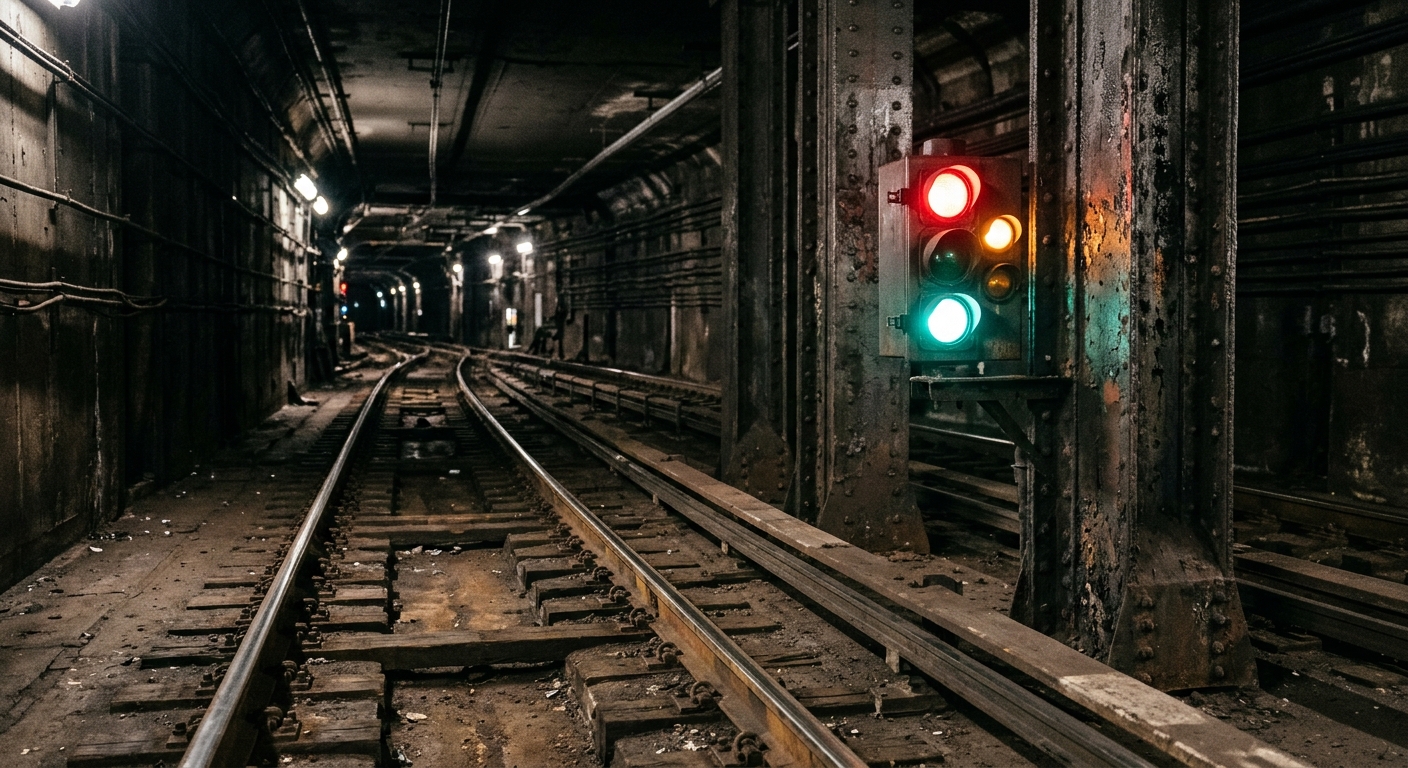
During an event at WNYC’s Greene Space, MTA Chair Janno Lieber outlined details of the plan, emphasizing the need for a systemwide approach. Much of the subway network relies on signal systems that date as far back as the 1930s. These outdated signals make it challenging for transit dispatchers to pinpoint the exact locations of trains, leading to inefficiencies and service disruptions.
Implementation of Communications-Based Train Control (CBTC)
The centerpiece of the modernization effort is the rollout of communications-based train control (CBTC) technology. This automated system enables trains to operate faster and closer together, improving efficiency and frequency of service. Over the past two decades, CBTC has been fully implemented on the L and 7 lines, with partial installation on Brooklyn’s F line. Work is also ongoing to introduce modern signals on sections of the A, C, E, G, and additional segments of the F line, though these projects have encountered significant delays.
Systemwide Modernization Timeline and Upcoming Projects
Building on lessons learned from earlier projects, the MTA plans to install modern signals on every inch of track within the next 24 years. According to a new report from the agency, the next lines scheduled for upgrades are the 1 and 4 lines in the Bronx—marking the first time signal modernization has been slated for this borough. The report highlights the advanced age of the current signal equipment on these lines and notes the strategic alignment with the introduction of new subway cars equipped for CBTC, which will streamline implementation.
Flexible Approach and Decade-by-Decade Plan
The MTA’s outlined timeline breaks down work by decade. In the 2020s, ongoing CBTC installations and renewal of existing modern signals on the L train (which are nearing the end of their lifespan) will continue. The 2030s will see technology introduced to 10 additional lines, half of which are numbered lines originally built by the Interborough Rapid Transit Company. The 2040s will focus on bringing CBTC to the seven remaining lines. The report emphasizes the need for flexibility, allowing the agency to adjust project sequencing in response to unexpected challenges to keep improvements on track for riders.
Commitment to Enhancing Service and Reliability
Alyssa Cobb Konon, deputy chief development officer for planning at the MTA’s construction department, stated that the agency has demonstrated its capability to install new signal technology while maintaining 24/7 subway service. With the increased confidence from past successes and a detailed roadmap, the MTA sees this modernization as a crucial step toward delivering more reliable and frequent commuter service by eliminating one of the system’s most persistent problems: outdated signal technology.
Source: gothamist.com.