- calendar_today August 29, 2025
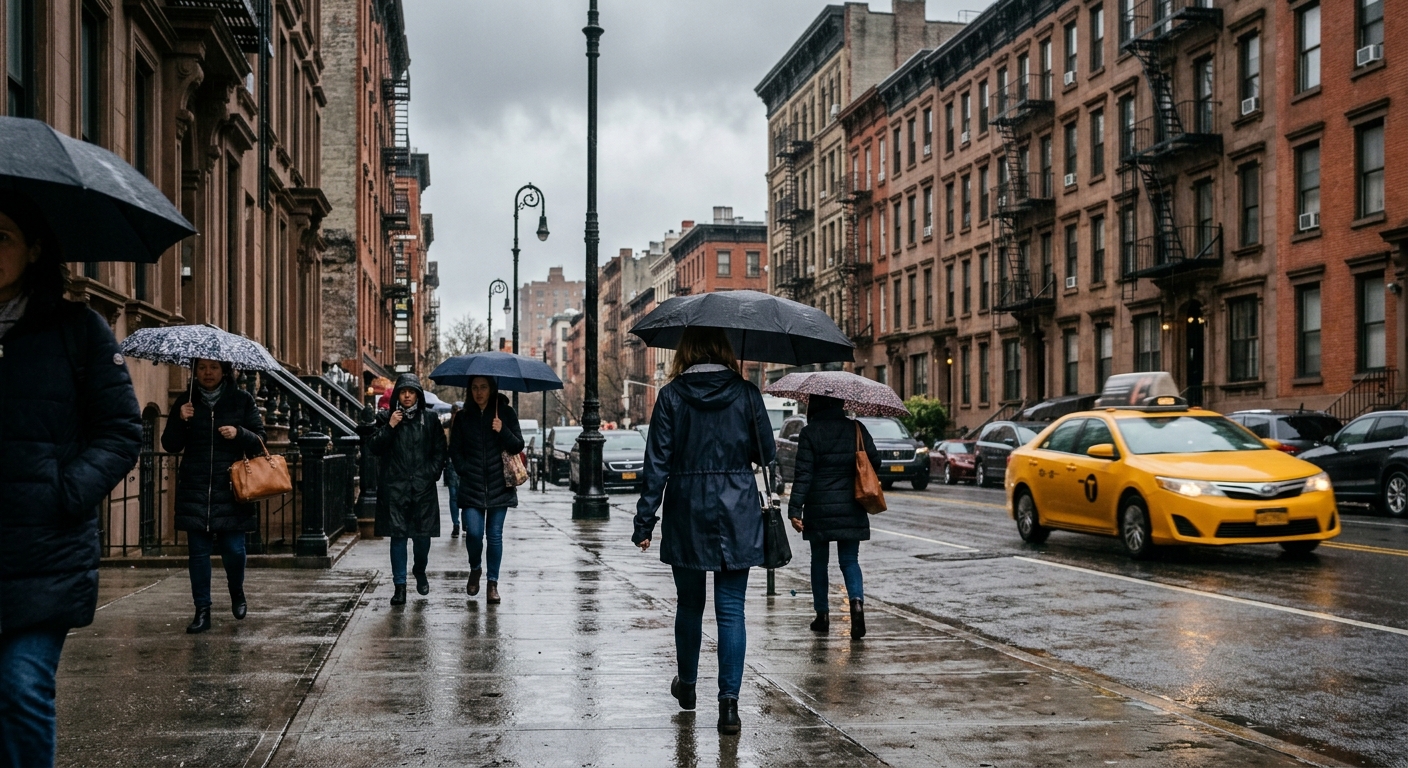
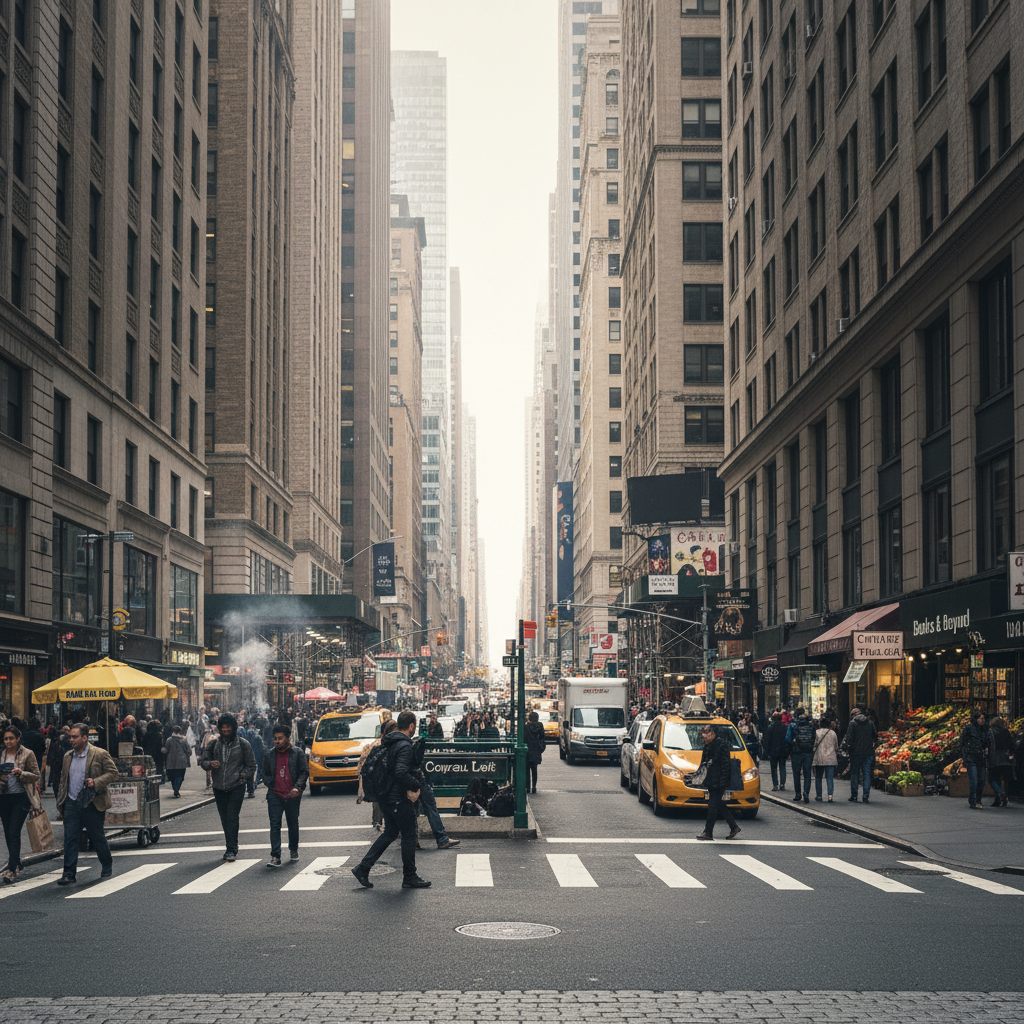
New York City, that never sleeps and never halts, is finally getting some relief. Following two years of struggling with increasing prices, economic pressures, and finally falling inflation rates, are beginning to take the heat off businesses, consumers, and state policymakers. From Wall Street to corner stores in Brooklyn, the beneficial ripple effect is being felt more widely throughout the Empire State.
A Welcome Turn for New York’s Financial Capital
Inflation had been the elephant in every boardroom and New York household for months. Everything from subway rides and bodega coffee to rent and utilities had experienced sharp increases. But as inflation rates now started to decline, the city is seeing a gradual return to financial equilibrium.
The U.S. Consumer Price Index (CPI) has continued to decline consistently, and that is reflecting a more positive attitude in New York’s business sectors. Energy prices have softened, food prices are stabilizing, and companies are starting to plan with greater confidence.
Relief for Small Businesses and Entrepreneurs
Small business owners in New York have been one of the most severely impacted by inflation. Rising costs for goods, shipping, labor, and rent put many out of business. But with decreasing inflation, these companies are finally experiencing some room to breathe.
- Reduced input costs allow restaurants to deliver good meals without cutting margins.
- Retailers can now stock shelves without being concerned about extreme price volatility.
- Service-based startups are bringing back competitive pricing, drawing back customers they lost over earlier price increases.
This stability is reviving the entrepreneurial spirit that characterizes the city. With improved cost predictability, more small businesses are likely to open or grow in the months ahead.
The Job Market Grows Stronger
New York’s labor market is already the country’s largest and most diversified. Nevertheless, inflation had begun to burden it, particularly in industries such as hospitality, transportation, and retail. High prices translated into fewer customers, and fewer customers translated into reduced demand for workers.
As inflation slows, these industries are starting to recover. Tourists are coming back, spending is on the upswing, and bosses are hiring again with more confidence. And the finance and technology industries are settling down after several months of reluctant layoffs and budget freezes. Wages, while still increasing moderately, are no longer outpacing living costs, providing workers with more money to spend.
Real Estate: A Glimmer of Hope
Few markets are more notoriously costly—and as prone to economic change—as New York’s real estate. At the height of inflation, record-high mortgage rates and rents pinned many New Yorkers out of reach of homeownership and made renting ever more a source of worry.
The decline in inflation is gradually making things better:
- Mortgage rates are stabilizing, coaxing reluctant homebuyers back onto the market.
- Rental hikes are slowing, providing tenants with a long-awaited respite.
- Developers are more hopeful about opening new residential projects, particularly in boroughs such as Queens and the Bronx.
Though New York’s real estate market will always be competitive, the squeeze is loosening just enough to introduce some stability between supply and demand.
Tourism and Hospitality Make a Comeback
Inflation had made traveling to New York a costly proposition. Airline tickets, hotel rooms, and even dining out all cost a pretty penny. But now that inflation is abating, New York is becoming an affordable place again.
Tourism, a behemoth of the city’s economy, is rebounding:
- Broadway productions are attracting more viewers.
- Museums and cultural activities are seeing increased traffic.
- Hotels and restaurants are seeing increased occupancy and reservation levels.
With tourism increasing, service and hospitality jobs by thousands are being revived, thereby further boosting the economy of the city.
Stock Market Confidence Boosts Wall Street
Wall Street is directly connected with indicators of inflation. When prices are skyrocketing, investors become panicked. When inflation dwindles, the stock market cheers. New York’s financial system survives on stability, and the recent fall in inflation has sparked investor confidence all over again.
While central banks are starting to stop or reverse rate increases, investment houses, banks, and fintech ventures are experiencing a more favorable growth and hiring climate. Wall Street’s comeback is critical in spurring the overall state economy, from property investments to public infrastructure funding.
A Word of Caution: Stay Prepared
Although the present statistics look good, experts caution us that inflation is a capricious beast. The world economy is still in precarious shape, with threats of geopolitical unrest, oil price shocks, and supply chain disruptions still present.
New York City policymakers and corporations are walking into the present situation with guarded optimism. It is a time to rebuild, invest with wisdom, and think long-term for sustainability, rather than short-term profits.
The Bottom Line
As inflation slows, New York is finally finding its stride. The economy is firming, the businesses are growing more confident, and the public is finally starting to realize the benefits in everyday life. From Wall Street to Harlem and SoHo to Staten Island, the resiliency of the city is once more on display.
If trends persist, 2025 may prove to be a watershed year for New York’s economy—a year where growth is not foiled by rampant inflation, but fueled by sharp spending, forward thinking, and renewed consumer optimism.