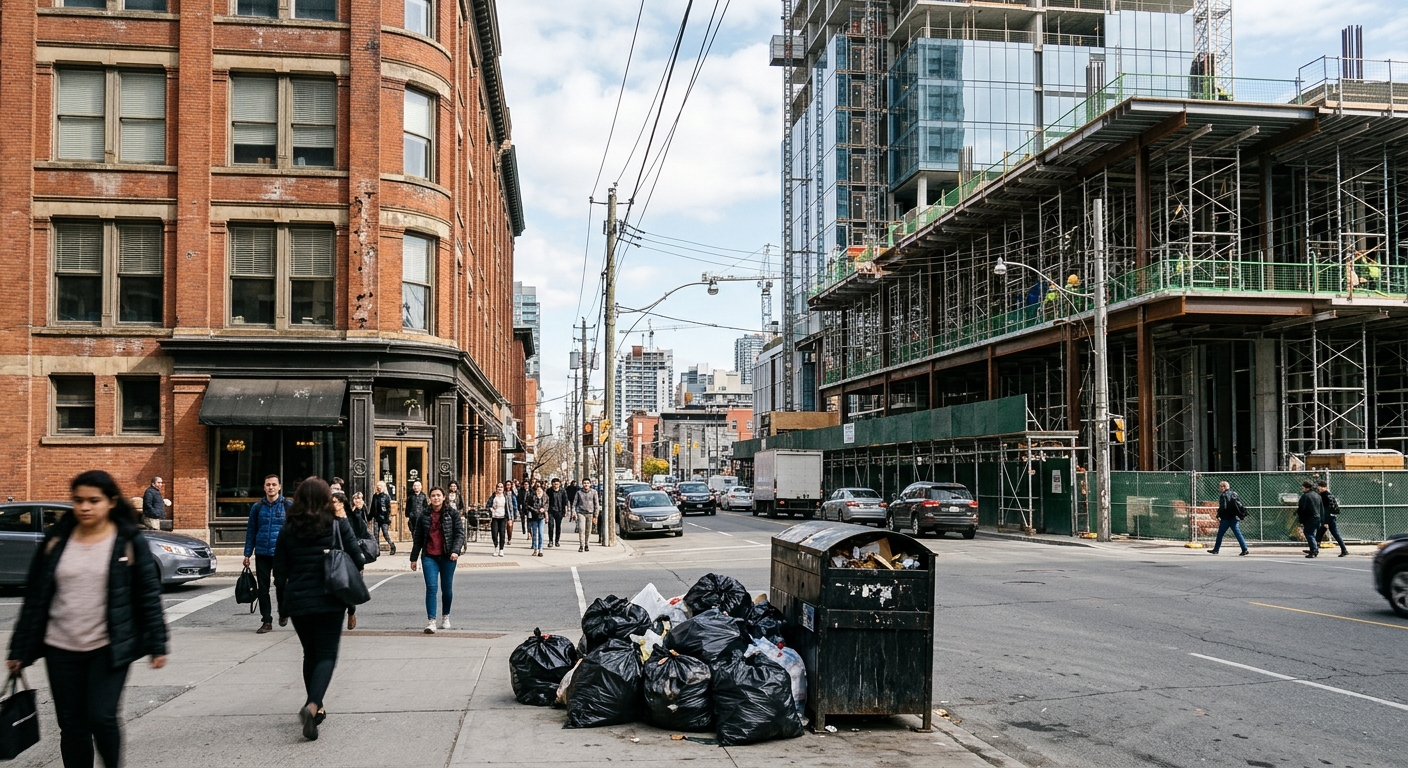
AI-generated illustration; not a photograph of the reported event.
- calendar_today November 18, 2026
Introduction: A Neighborhood at a Crossroads
The proposal to establish the Northside Williamsburg Business Improvement District (BID) has become a focal point in a growing debate about the changing character and future of one of New York City's most high-demand neighborhoods. As rapid urban development in Williamsburg fuels concerns about cleanliness and public services, community leaders and residents are divided over whether forming a BID is the answer — or a threat — to the area’s unique fabric.
The Push for Park Maintenance and Neighborhood Beautification
Katie Denny Horowitz, executive director of the North Brooklyn Parks Alliance since 2019, observed that traditional city services were struggling to meet the increased demands in Williamsburg. With more businesses, restaurants, and residents flocking to the area, complaints about trash and dirty streets mounted. Horowitz, together with local leaders like Councilmember Lincoln Restler, envisioned a business improvement district as a way to fund enhanced maintenance and neighborhood beautification projects. The proposed BID would see property owners within designated boundaries—from Grand Street to North 15th Street, and Bedford Avenue to the East River—pay annual dues toward extra street cleaning, new plants, lighting, and public art installations.
Community Opposition and Concerns About Fees
Despite enthusiasm from supporters, the Northside Williamsburg BID proposal faces significant opposition. Some property owners are challenging the additional fees, which would be calculated based on property size and value, potentially adding hundreds or even thousands of dollars to annual expenses. Critics, including a Change.org petition, describe the BID as being “developed with the wealthiest landlords and interests” and warn it could contribute to commercial gentrification, jeopardizing affordable commercial and residential spaces in the neighborhood.
Legal Challenges and the BID Formation Process
The dispute has moved beyond public meetings into the courts. A residential property owner, filing under multiple limited liability companies, has sued the Northside Improvement District Steering Committee, its chair Ward Dennis, the city, and affiliated groups. The lawsuit claims that voting to establish the BID began prematurely and that the process deviated from the city’s official guidelines. Nonetheless, Restler has called the legal challenge “totally frivolous and irrelevant,” expressing confidence that it would not halt the initiative. Establishing a BID in New York City involves a protracted process requiring majority approval by assessed properties in the district, extensive community outreach, and final review by the City Council, the borough president, and the mayor.
Potential Benefits: Enhanced Services and Local Improvements
If approved, the Northside Williamsburg BID would become the city’s 79th business improvement district and one of its largest. According to Restler, the proposed BID would fund daily special trash pickups and support public safety, streetscape improvements, and business assistance programs within its boundaries. Supporters argue these enhancements are necessary to keep up with the demands of a booming community and would benefit both residents and businesses.
Voices from the Community: Preserving Williamsburg’s Identity
The debate is deeply personal for many longtime residents like Anthony Dassaro, who has lived in the heart of Williamsburg for his entire life. Dassaro opposes the BID, feeling as though he’s being asked to pay for services he doesn’t want, while recalling the neighborhood’s days as an industrial hub rather than a luxury retail corridor. As the area has transformed from meatpacking plants to upscale storefronts, concerns about maintaining affordability and inclusivity fuel resistance to the BID proposal.
Next Steps for the Northside Williamsburg BID
Balloting for the BID began in October 2025 and is ongoing, with no set deadline. If enough support is gathered, the proposal will proceed for approval by local boards and officials. For now, Williamsburg remains a vivid example of the struggles that arise as urban neighborhoods confront the challenges of growth, change, and community identity.
Related coverage
Source: gothamist.com.