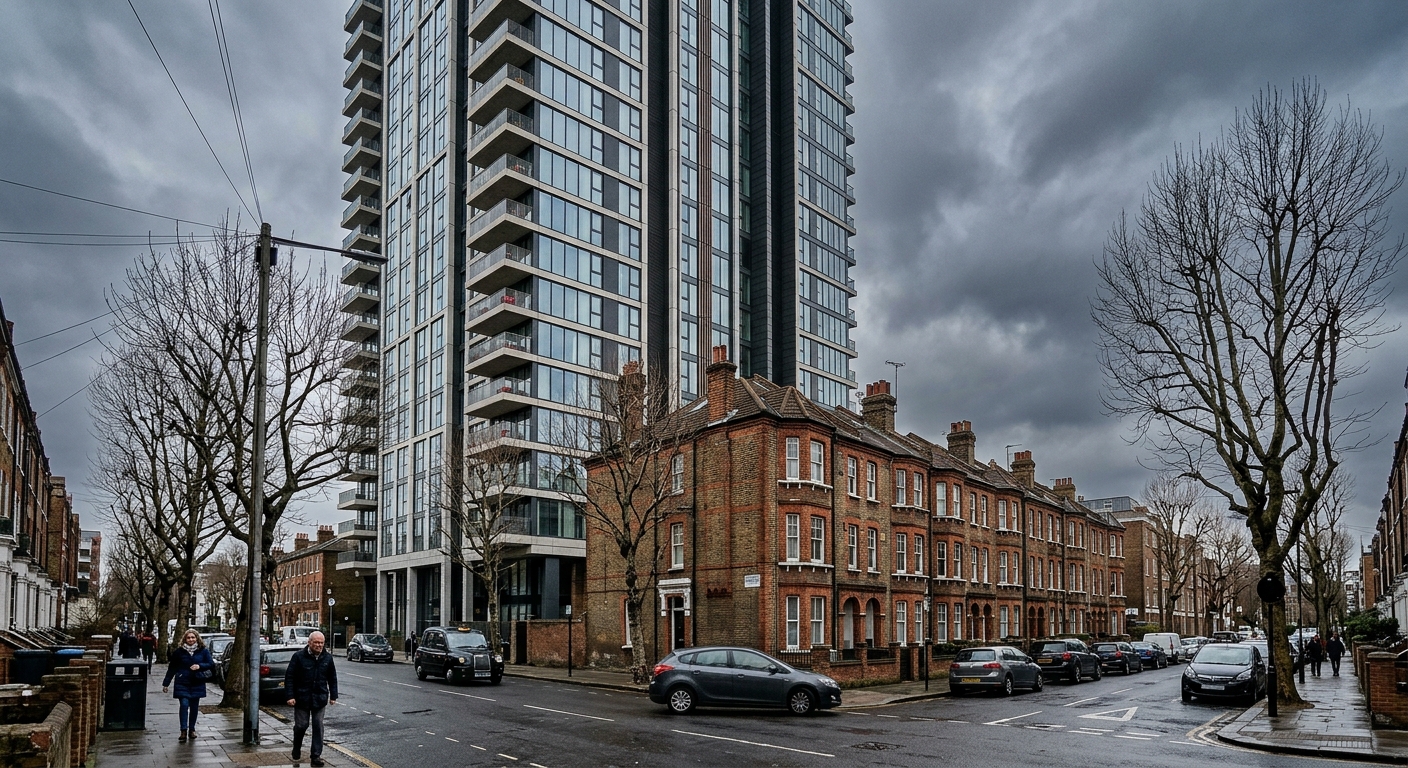
AI-generated illustration; not a photograph of the reported event.
- calendar_today October 30, 2026
Two Trees Faces Class-Action Lawsuit Over Rent Practices
Prominent Brooklyn real estate firm Two Trees is at the center of a new class-action lawsuit alleging the company illegally increased rents at its 300 Ashland Place building in Fort Greene despite receiving valuable tax breaks under the state's 421a program. The suit, filed Friday, claims Two Trees flouted rent stabilization rules while benefiting from a public subsidy designed to promote affordable housing.
Allegations: Violating Rent Stabilization and Tax Rules
The lawsuit was filed by the law firm Newman Ferrara in coordination with the nonprofit Housing Rights Initiative. It accuses Two Trees of using a 'sleight-of-hand' tactic to sidestep requirements linked to the 421a tax break. Under the 421a program, recipients are mandated to keep even high-end units rent stabilized and must cap rent increases to percentages set by the city’s Rent Guidelines Board.
The complaint details how Two Trees allegedly applied rent increases to the full legal rent rather than the initially discounted preferential rent tenants actually paid, resulting in much higher renewal prices. For example, a 20th-floor apartment was listed at a legal rent of $3,990 but initially advertised with two months free, dropping the effective rent to $3,325. On lease renewal, the company allegedly raised rent from the higher $3,990 figure, potentially amounting to a 20% increase. The city’s Rent Guidelines Board has not approved an increase higher than 3.25% since 2021, making such hikes potentially illegal, the lawsuit states.
Broader Concerns and Industry Pushback
Over the past five years, the lawsuit claims this practice allowed Two Trees to collect more than $30 million in excess rent. Aaron Carr, executive director of Housing Rights Initiative, criticized the company, stating, “When landlords pocket taxpayer subsidies while legally overcharging tenants, they are cheating the public twice.”
However, some in the real estate industry argue these types of complaints focus on minor technicalities. Seth Glasser of Marcus Millichap likened the suits to excessive penalties for minor sports rule infractions, calling them “foot faults.”
Background on Two Trees and the 421a Program
Two Trees owns and manages over 4,000 apartments with a portfolio valued at $4 billion. The company’s residential buildings, including the 379-unit 300 Ashland complex, feature apartments advertised as high as $7,455 per month for a two-bedroom. State lawmakers recently extended the expired 421a tax break specifically for Two Trees’ upcoming River Ring project in Williamsburg.
The 421a program incentivizes development by allowing reduced property taxes for up to 25 years, requiring recipient landlords to maintain rent stabilization. However, it has faced criticism over whether it effectively promotes affordable housing. In 2024, a new version of the tax break was introduced with stricter affordability and wage provisions.
Local Government Reaction and Calls for Better Oversight
Brooklyn Councilmember Crystal Hudson, who represents Fort Greene, said her office assisted tenants by alerting them to the Housing Rights Initiative investigation. She emphasized the need for consistent standards, noting that the marketing of short-term concessions can mislead renters about long-term costs.
Hudson criticized the state Division of Homes and Community Renewal for failing to enforce tax break and rent stabilization provisions, leaving enforcement to nonprofits and private lawyers. Agency spokesperson Charni Sochet declined to comment on the litigation but stated the agency’s commitment to protecting rent-regulated tenants’ rights.
Outlook: Two Trees Responds to Allegations
David Lombino, managing director at Two Trees, said the company was reviewing the lawsuit but declined to comment further. The outcome of the case could have implications for rent stabilization enforcement and the public accountability of developers benefiting from tax incentives.
Source: gothamist.com.