- calendar_today August 14, 2025
The New York real estate market in 2025 is treading carefully amid shifting economic conditions. Stabilizing interest rates have brought a measure of predictability, yet investor caution persists. Following several years of economic turbulence and migration reshuffling, both upstate and downstate buyers are reassessing priorities. The new focus? Long-term income stability, strategic location targeting, and matching investment with New York’s evolving demographics.
What are the best property types to consider in the Empire State this year? From Manhattan to Buffalo, and the Hudson Valley to Long Island, analysts and developers are keeping close tabs on seven key sectors where demand continues to outpace supply. These real estate categories aren’t just holding up—they’re evolving to match both local and national trends.
Multifamily Housing: The Reliable Performer
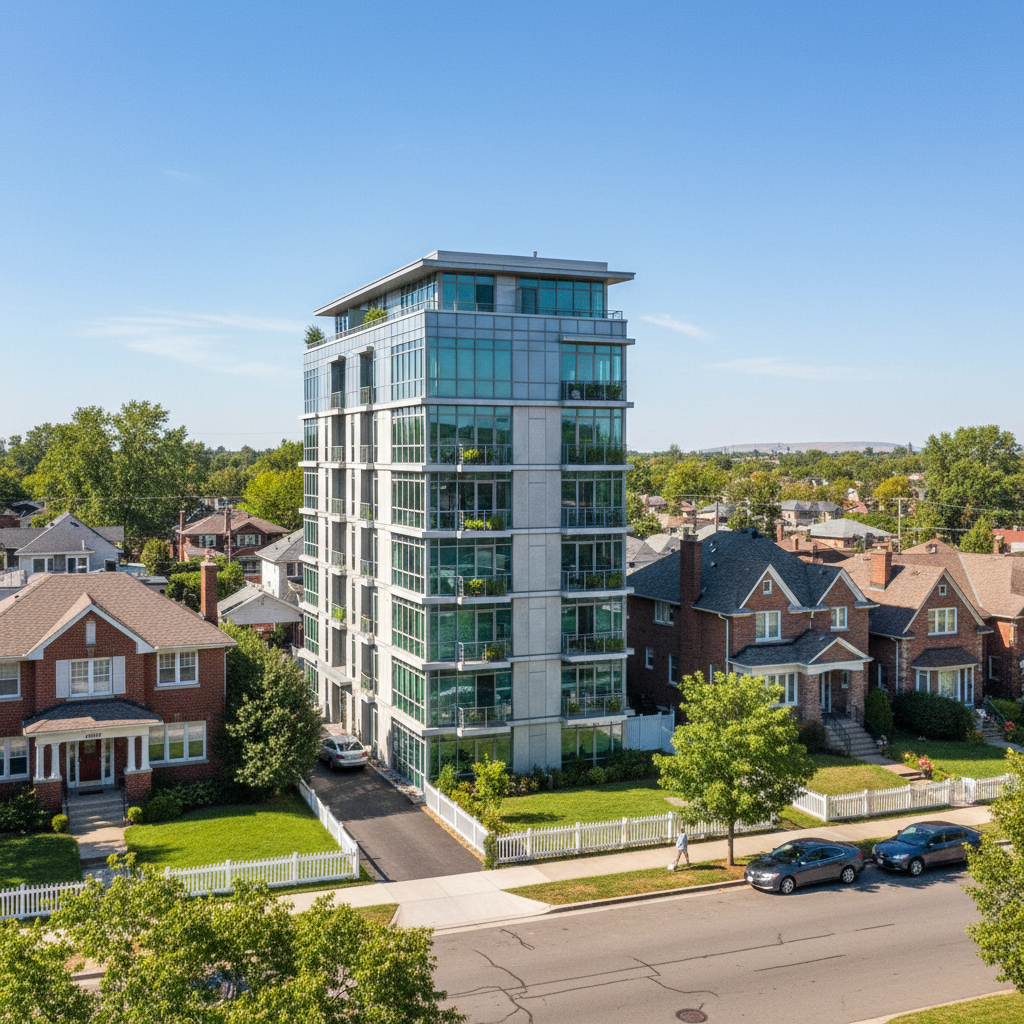
Multifamily properties remain a cornerstone of New York’s real estate ecosystem. In 2025, Class B and C apartments in cities like Albany, Rochester, and parts of Queens and Brooklyn are seeing sustained demand. Soaring purchase prices and high mortgage rates are keeping many would-be buyers in the rental pool longer, especially younger professionals and lower-income households.
Mid-rise apartment buildings and build-to-rent townhomes in the Hudson Valley and Western New York have become particularly attractive. They provide affordability and a stable living environment, crucial in a state where housing supply remains constrained. Investors are drawn to the relative consistency of these assets. Even with tighter rent regulations in parts of NYC, areas outside rent-controlled zones are showing 3–4% annual rent growth with proper upkeep and responsive management.
Industrial Properties: Still a Growth Engine
New York’s industrial sector continues to be one of the most dynamic in the Northeast. From logistics hubs along the I-87 corridor to distribution centers in the Capital Region and cold storage facilities in the Bronx, industrial assets are in high demand.
According to CBRE and local brokers, vacancy rates in New York’s top logistics zones remain under 5%, with rents up nearly 7% year-over-year in key submarkets like Orange County and Staten Island. A surge in e-commerce, last-mile delivery needs, and the expansion of micro-fulfillment centers near NYC are fueling investor interest. The push for U.S.-based manufacturing and AI-enabled logistics is making New York a critical player in the Northeast’s industrial pipeline.
Single-Family Rentals in Suburban Markets
As many families continue to leave dense urban cores, single-family rentals (SFRs) are gaining ground in the New York suburbs. In Westchester County, Long Island, and parts of the Hudson Valley, detached rental homes are increasingly favored by households who want space, privacy, and good school districts—without the upfront costs of buying.
Roofstock’s 2025 Investor Sentiment Index reveals that investor interest in New York-based SFRs is growing, particularly in commuter-friendly towns like New Rochelle, White Plains, and Poughkeepsie. These homes typically see lower turnover rates, reliable tenants, and growing rents. Suburbs along the Metro-North and LIRR lines are especially popular for remote and hybrid workers who split time between home and the office.
Sun Belt vs. Rust Belt? In New York, It’s City vs. Suburb
While the Sun Belt migration grabs headlines nationally, New York’s trend is more about intra-state migration. Residents are increasingly moving from high-cost boroughs in New York City to more affordable and livable regions upstate or along the suburban rim. Cities like Buffalo, Syracuse, and Schenectady are seeing a revival, thanks to lower property prices, expanding universities, and emerging tech hubs.
Meanwhile, developers are closely tracking regional infrastructure investments—including those tied to clean energy, EV manufacturing, and chip production—which are helping lift smaller markets across the state. With federal and state incentives in play, upstate regions are gaining traction as long-term investment zones.
Mixed-Use Developments & Downtown Revival
Downtowns across New York are attempting a comeback, especially in mid-size cities like Rochester, Troy, and Kingston. Mixed-use developments that combine residential units with street-level retail, coworking, and entertainment venues are becoming anchors of urban revitalization.
Even in New York City, outer-borough neighborhoods like Astoria, Crown Heights, and Bushwick are seeing a rise in mixed-use projects targeting millennial renters and young professionals. These developments provide walkability, amenities, and social convenience—three qualities post-pandemic tenants value more than ever. While construction hurdles and zoning complexity remain, long-term investor interest is growing.
Niche Assets on the Rise: Senior & Student Housing
New York’s senior and student housing sectors are gaining attention in 2025. In the senior space, demand is rising sharply in the Finger Lakes and on Long Island, where the aging population is growing. Assisted living and memory care facilities are seeing increased occupancy, especially in counties like Suffolk, Dutchess, and Onondaga.
Student housing is also strong, particularly in college towns like Ithaca (Cornell), Binghamton, and Stony Brook. Pre-leasing rates are exceeding 90% at many institutions. Students today want smart-home features, furnished units, and strong community amenities. Developers who cater to this audience with high-quality, tech-ready buildings are finding success.
Risk Factors and Investment Cautions
Real estate in New York offers plenty of upside, but also unique risks. Coastal areas, especially parts of Long Island and the Rockaways, face rising insurance costs due to flood risk and storm damage. Upstate regions contend with aging infrastructure and high property taxes, which can affect margins.
New York City’s regulatory environment also remains a challenge. Debates around rent stabilization, short-term rental rules, and zoning reforms could alter the investment landscape quickly. Investors in the five boroughs should stay informed and agile.
Despite a more favorable interest rate outlook, borrowing costs are still higher than in the pre-2022 era. Conservative underwriting and localized knowledge are essential to navigate a market this diverse.
Expert Insight: What the Analysts Say
“New York investors are still putting capital into core sectors like multifamily, logistics, and suburban SFRs,” says Lauren Bellingham, senior economist at CBRE. “But what distinguishes the successful ones is local familiarity—understanding zoning trends in Schenectady is just as important as watching rent rules in Manhattan.”
Redfin’s 2025 Housing Trends report also notes that statewide patterns in affordability, mobility, and job corridors—from Brooklyn to Buffalo—are shaping investment decisions. The report emphasizes that granular data interpretation is the real competitive edge in a state as economically complex as New York.
Strategic Diversification is Key in 2025
The most effective real estate strategies in New York this year are diversified and regionally tailored. From suburban SFRs in Westchester to industrial assets in the Capital Region, smart investors are spreading risk and aligning assets with long-term behavioral shifts.
Multifamily remains a stable anchor, particularly outside the rent-regulated zones. Industrial is growing across upstate distribution hubs. Single-family rentals are thriving in family-friendly suburbs. Mixed-use and niche housing—whether student or senior—are gaining ground in carefully selected locations. The gap between well-performing local markets and lagging ones continues to widen.
In 2025, precision, patience, and regional fluency are the keys to outperforming in New York’s real estate market.