- calendar_today August 12, 2025
As Trump’s trade policies recast international relationships, New York’s financial and business communities respond to the economic shift.
New York’s markets are altering the aftershocks of Donald Trump’s latest trade actions, as economic adjustments leave Wall Street, local businesses, and consumer buys in suspended animation. With new tariffs, revised trade agreements, and an America First strategy, Trump’s plan has shaken up the state’s economy, particularly in finance, technology, and retail.
Being one of the globe’s strongest financial hubs, New York faces more uncertainty and market volatility due to the trade reshuffles. Investors, CEOs, and small business owners now set themselves up for long-term changes that can reengineer the city’s economic landscape.
Financial Markets Experience Volatility
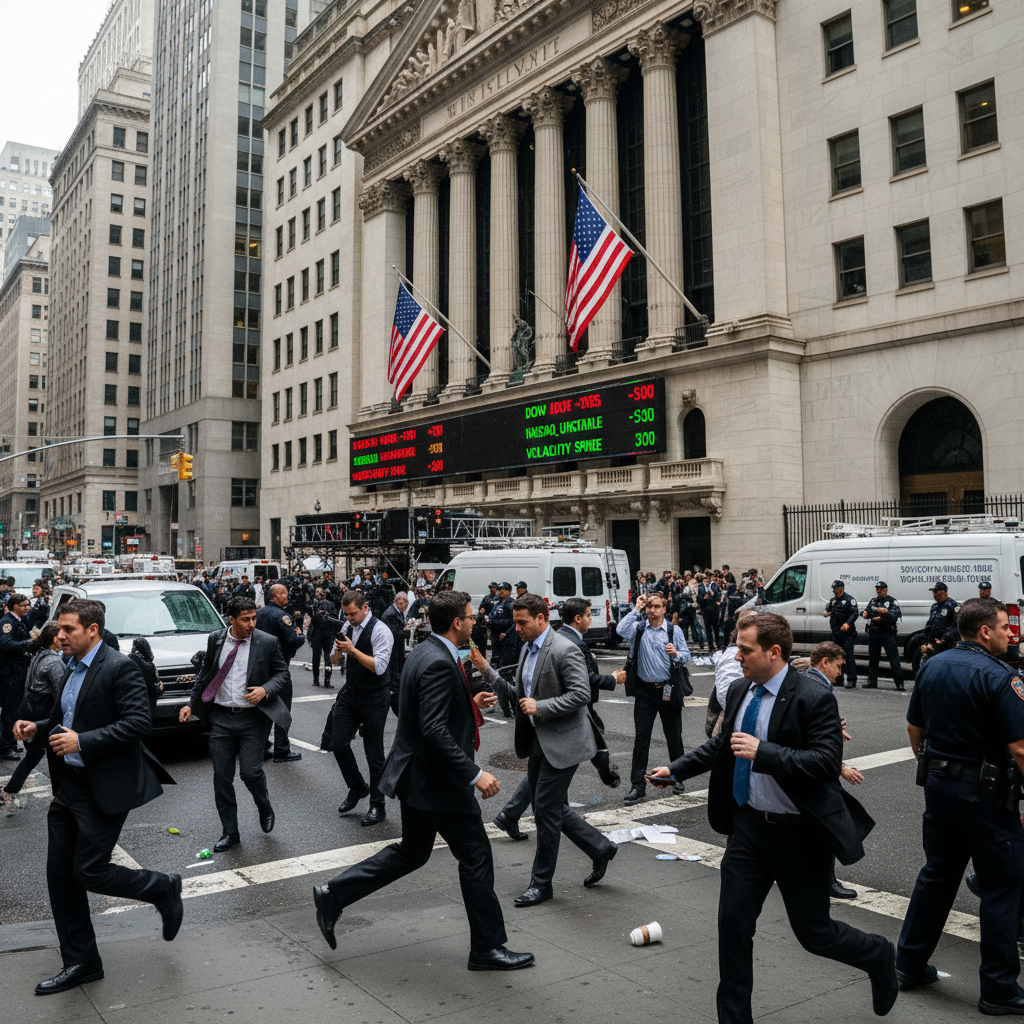
New York-based stock markets, the New York Stock Exchange (NYSE) and NASDAQ are at the forefront of the market reaction to Trump’s trade policy actions. Stock price volatility, particularly among industries most reliant on global trade, such as technology, manufacturing, and consumer goods, has been reported by analysts.
Tech industry leaders in New York City have bemoaned increased expenses and supply chain volatility resulting from Trump’s tariffs on imported Chinese goods. Firms that rely on semiconductors, electronics, and consumer electronics face increased expenses, which can impact profit margins and stock performance.
Market analysts have indicated that the financial markets are also extremely sensitive to uncertainty regarding trade. Any escalation of trade tensions or retaliatory tariffs by China or the European Union would trigger even greater market volatility and impact investment plans.
New York’s Small Businesses
Outside Wall Street, small businesses throughout New York is preparing for the economic slump triggered by Trump’s trade policies. Import-driven businesses such as retail and manufacturing sectors are suffering from the bite of higher costs of raw material imports.
In Queens and Brooklyn, businesspeople have reported that they are shelling out more for foreign consumer goods and equipment, so some have had to raise prices for customers or eat into their profit margins. They fear that ongoing trade tensions would erode their competitive edge in already expensive lines of business.
Supply chain disruptions have also been experienced by New York’s fashion sector, reliant on European and Asian textile imports. Raw materials cost increases and manufacturing slowdowns can threaten to bring season collections and store schedules disruptions to both high-end boutique designers and big Garment District retailers.
Consumer Costs on the Rise
New York consumers are beginning to feel the squeeze due to increased tariffs on everyday products. From electronics to home goods, prices are going up across categories. Economists warn that the average New York household could face annual cost increases by hundreds of dollars if tariffs persist.
Fifth Avenue stores and throughout Manhattan are particularly vulnerable to shifts in consumer discretionary spending. When the cost goes up, discretionary spending will be reduced by some New Yorkers, hurt by luxury brands and upscale stores.
Strategic Response of Wall Street
Reacting to Trump’s trade policy, investment companies in New York are adopting new strategies to reduce risk and take advantage of emerging opportunities. Hedge funds and private equity funds are shifting toward domestic investment and sectors insulated from global trade wars, such as healthcare and clean energy.
Some institutional investors see Trump’s protectionist agenda as an opportunity to diversify their portfolios before potential market uncertainty. Financial advisers warn clients to prepare for long-term market adjustments, especially if trade tariff wars are ratcheted up to broader economic hostilities.
Real Estate and Global Investment Flows
The New York real estate market, which has traditionally been financed by foreign investors, is also suffering from Trump’s trade policies. International investment in commercial and residential property has slowed as foreign investors weigh the risks of an uncertain regulatory environment.
Luxury apartments in areas like Hudson Yards and Midtown Manhattan have experienced a tepid dip in interest by foreign buyers, particularly those from China. Experts caution that prolonged trade tensions could dampen the city’s real estate bubble and slow new development projects.
Political and Economic Uncertainty
While Trump’s trade agenda continues to shift, New York business leaders and policymakers closely monitor the potential economic impact. City policymakers support policies that protect small businesses and provide economic security while preparing for the uncertain future.
Political debate surrounding Trump’s trade policy also influences the 2024 election cycle because New York voters are concerned about economic justice, job security, and rising costs of living.
The Road Ahead for New York’s Economy
As New York responds to Trump’s new trade policy, the economic future is complex. Companies and investors face a world tinged with global trade wars, regulatory risk, and shifting consumer behavior.
While some sectors will find opportunities within the protectionist regime, others will have to deal with the increased prices and market volatility that accompany such fundamental economic change.
In the meantime, New York’s markets continue to be in transition, both a reflection of the challenges and opportunities of new times in U.S. trade policy.