- calendar_today April 28, 2026
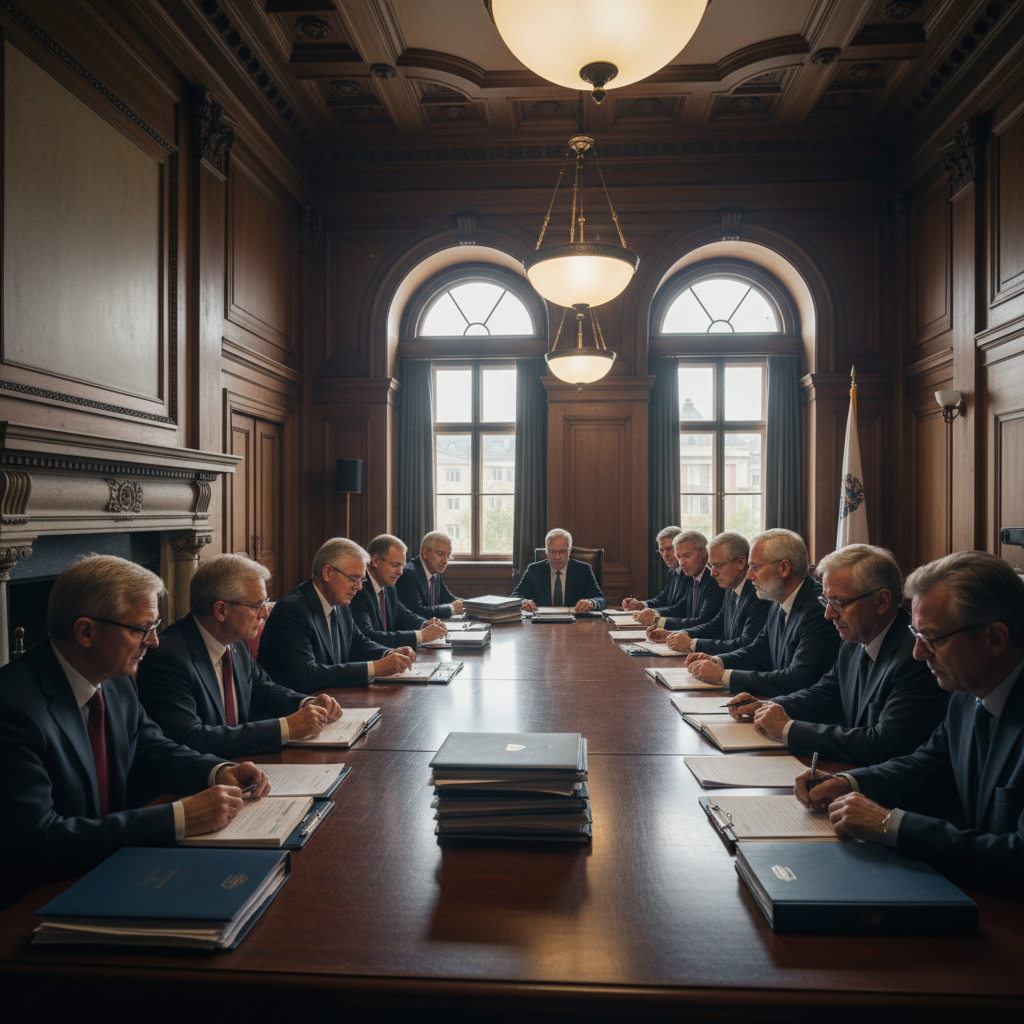
The Federal Reserve is expected to keep interest rates unchanged at its forthcoming meeting in New York, signaling continuity in monetary policy as Jerome Powell presides over what may be his last session as federal reserve chair. This anticipated rate decision, closely watched by financial institutions and local investors, underscores the central bank’s commitment to a cautious “wait and see” approach amid persistent inflation risks and evolving economic conditions.
Steady Approach Marks Powell’s Final Fed Meeting
Jerome Powell, whose tenure as fed chair has been characterized by measured policy responses, is set to conclude with the federal reserve opting not to adjust its principal interest rates, which have remained between 3.5 and 3.75 percent since December. Financial experts in New York and beyond note that Powell’s approach has emphasized stability, a philosophy that appears likely to persist after his departure.
New Leadership: Kevin Warsh Advances Toward Confirmation
As the leadership transition approaches, Kevin Warsh—President Trump’s selection for the top fed position—moved a step closer to confirmation following the senate banking committee’s approval. Warsh’s advancement has sparked conversations among regional banking leaders and market analysts, particularly concerning potential changes in monetary policy and the Federal Reserve’s future independence.
No Immediate Rate Cuts as Inflation Remains a Key Concern
Despite advocacy from President Trump for reduced borrowing costs, the Federal Reserve continues to project no imminent move to cut interest rates. This decision reflects persistent inflation risks, as policymakers and financial experts emphasize the importance of a careful and calculated approach. Locally, New York’s financial sector is attuned to the potential impacts on investments and lending rates, with many noting the central bank’s consistency in prioritizing economic stability.
Political Pressures and Fed Independence
Concerns have arisen regarding possible political influence on the federal reserve’s operations, especially as Warsh refuted claims that he had assured rate cuts to secure the nomination. The issue of central bank autonomy remains a topic of discussion among policymakers and economists, who stress the importance of maintaining the integrity of the institution amid shifting political climates and policy goals.
Market Expectations Align with Fed’s Outlook
Market traders in New York and across the U.S. predominantly forecast a continuation of existing monetary policy, with no expected rate reductions in the immediate future. These views mirror the assessments of local experts like Nathan Sheets, who highlight that the economic outlook has grown more complex, and calls for lowering rates are now less straightforward than earlier in the year. The persistent caution among market participants emphasizes the uncertainty still present in financial markets.
Looking Ahead: Regional and National Implications
The New York business community remains attentive to the federal reserve’s signals, especially as decisions made at the national level shape local banking practices, lending, and economic growth. With steady borrowing costs and the upcoming leadership transition, the focus will remain on inflation management and the future direction of monetary policy. Policymakers, investors, and residents across New York are expected to closely monitor developments as the Fed seeks to balance its mission of price stability with the diverse needs of the region’s economy.