- calendar_today August 31, 2025
It Started With Movement. And Maybe a Little Loneliness.
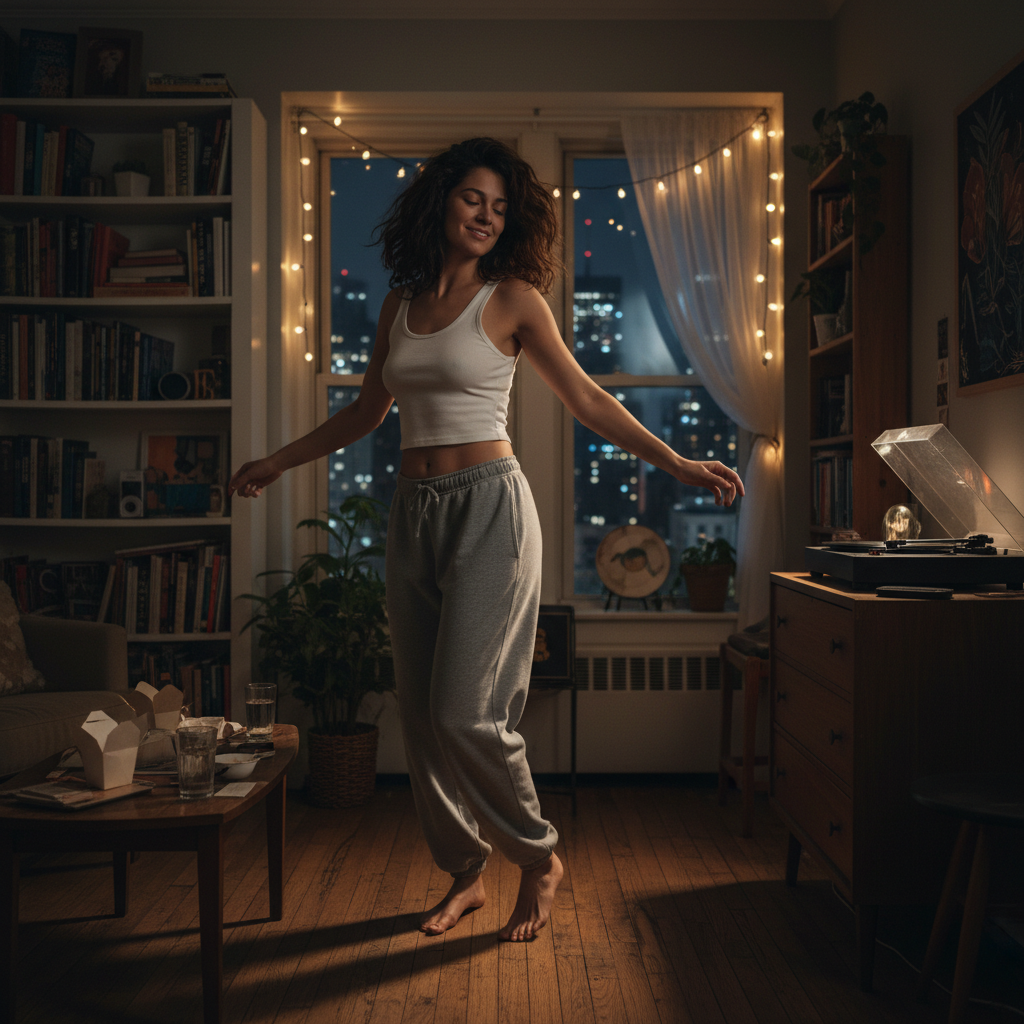
Picture this: It’s one of those quiet New York nights—the kind where the city hums low instead of loud, and your room feels like the only lit-up corner in the world. Kelley Heyer, just her and a song, lets her body speak in a way that words couldn’t.
The Apple dance was never about going viral. It wasn’t born from strategy. It was born from feeling. From wanting to connect. From needing a space—even a small one—to say, “I’m here. I feel this.”
She pressed record. That tiny act of courage turned into something huge.
People didn’t just watch it. They felt it. They mimicked it. They smiled doing it. For a second, the world danced with her.
And then… it got taken.
Joy, Repackaged as Profit
Roblox—a massive company with reach far beyond most of us—released Kelley’s Apple dance as an emote in their game Dress to Impress. It cost about $1.25. And it sold. Hard.
By the time they pulled it down, Roblox had reportedly earned over $123,000 from it. That’s more than 60,000 players paying for a piece of Kelley’s joy.
Except no deal was signed. No agreement reached. No paycheck. No credit.
Just silence.
Imagine Watching the Thing You Made Be Sold by Someone Else
It’s hard to explain what it feels like to see a part of yourself—your art, your heart—turned into a product and sold without your consent. But if you’ve ever poured your soul into something small and fragile, you already understand.
It’s that gut punch you don’t see coming. That moment when the thing that once made you proud now makes you sick.
Kelley did everything right. She copyrighted the dance in August. She entered conversations with Roblox about licensing it. She waited. She trusted. And still—it was taken before anything was finalized.
And here’s the thing no one tells you about being a creator: the moment your work becomes popular, it stops being yours unless you fight for it.
This Isn’t Just a Legal Case. It’s a Personal One.
In New York, we get this kind of hustle. We know what it means to scrape joy out of the chaos. To dance in a too-small apartment with neighbors banging on the walls. To create art not for fame—but because it’s the only thing that keeps the noise at bay.
Kelley didn’t choreograph the Apple dance for money. She made it because it was honest. It was movement born out of vulnerability. And somehow, it gave us joy too.
Then it got picked apart. Sold. Stripped of her name.
And that… that changes something inside you.
A Quiet Fight With Loud Meaning
Roblox says they respect intellectual property. They say they’re confident in their legal position. But they haven’t said Kelley’s name. Haven’t said sorry.
And sometimes what hurts most isn’t what they take—it’s what they don’t give back.
Let’s be real:
- Kelley created the dance in early 2024
- She copyrighted it in August
- Roblox released the emote before a licensing deal was finalized
- $123,000+ was allegedly made from sales
- She got zero
Kelley’s not suing for a payday. She’s suing because she has to. Because if she doesn’t stand up now, how many others will stay quiet?
What Kelley Gave Us Should’ve Been Enough
This is a girl who danced in her bedroom and lit up the world. And when that light got stolen, she didn’t scream. She stepped into the shadows of the legal system and said, quietly but clearly: That was mine.
New Yorkers know how to speak up like that. We know what it feels like to be overlooked, stepped on, erased. But we also know how to rise. To fight back not out of spite, but because dignity matters.
Kelley’s dance was a gift. And even now, even in the middle of a lawsuit, it still is.
But maybe now, we owe her something back. Not just credit. Not just money.
But the simple truth: She mattered. And she still does.