- calendar_today October 21, 2026
Lawsuits Target Food Delivery Robots Over Alleged Biometric Data Collection
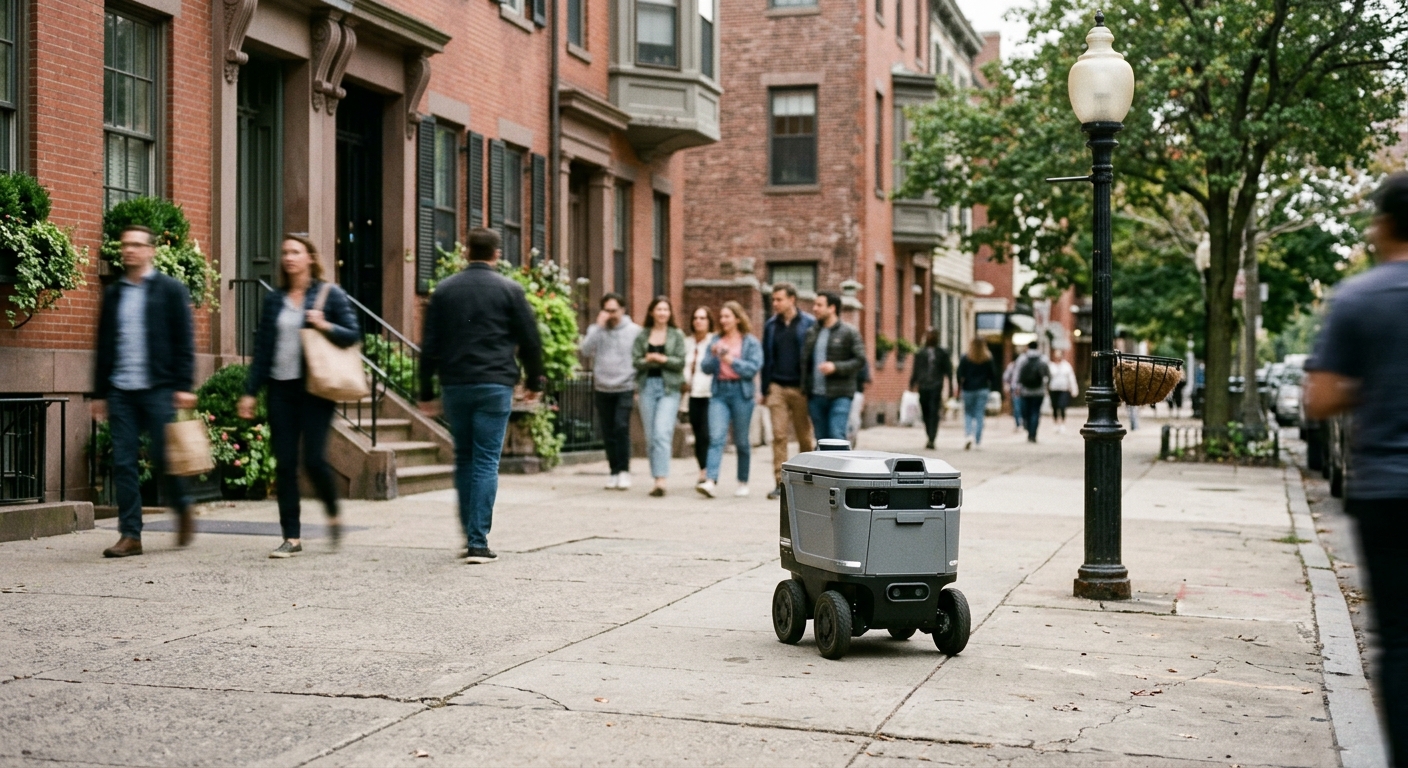
Two separate lawsuits filed in Cook County, Illinois, claim that food delivery robots operated by Coco Robotics and Serve Robotics are collecting biometric data, such as hand and facial details, without proper customer consent. These cases highlight growing concerns about privacy and the use of technology on public sidewalks.
Allegations of Unauthorized Biometric Data Collection
The lawsuits allege that the delivery robots use advanced technology to scan the faces, hands, and bodies of not only delivery customers, but also people who may simply be passing by on the sidewalk. This data collection, according to the suits, happens without the explicit consent or knowledge of those being scanned.
Companies Respond to Lawsuit Claims
Serve Robotics, named in the lawsuits, acknowledged the legal action and stated that it would defend against the complaints. In a statement, Serve said its robots use cameras and sensors to navigate city sidewalks and that, "Serve does not use that data to identify individuals and our systems are not designed to identify individuals or create biometric profiles." The company emphasized that navigation data is processed to help their machines move safely through public spaces, not to create personal identification records.
Coco Robotics Denies Collecting Biometric Data
Carl Hansen, head of Government Relations at Coco Robotics, responded by saying, "This lawsuit fundamentally misunderstands our technology, we have not collected biometric data in Chicago, and we are confident that this frivolous lawsuit will go away." He added that privacy and compliance with privacy laws are a top priority for the company, and Coco believes the claims made are meritless. He further stated that Coco Robotics has never used LiDAR in Chicago and that all the data collected is in compliance with Illinois law.
Details on Data Usage and Privacy Practices
According to Coco Robotics, the company only shares anonymous navigational data, not personal or biometric information. For example, Coco provides real-time sidewalk hazard information to BlindSquare, a navigation application designed to assist people who are blind or have low vision. The company emphasizes that they do not share video footage from the start or end of any delivery trip, further distancing their practices from the creation of biometric profiles.
Broader Privacy Concerns and Public Attention
The lawsuits have drawn attention to the use of robotic delivery and sidewalk navigation technology, sparking public dialogue over privacy concerns and data collection in urban environments. While neither company stands accused of using facial recognition or other consumer-identifying technology, the allegations bring into focus the need for clear guidelines around consumer consent and the collection of any data by public-facing robots. The ultimate outcomes of these illinois lawsuits may influence future standards and regulations for food delivery robots and the technology companies that operate them.
Source: abc7ny.com.