- calendar_today October 20, 2026
A Retrospective on the 1970s New York Music Revolution
The New-York Historical Society has unveiled a new exhibition titled "You Should Be Dancing: New York, 1976 and Beyond," offering visitors a deep dive into the transformative period of 1970s New York. Curated by Ted Widmer, with Associate Curator of History Exhibitions Allison Robinson, the exhibition spotlights how an era marked by hardship fueled extraordinary creativity—especially in the music scene.
New York City’s Challenges in the Mid-1970s
During the mid-1970s, New York City faced profound financial struggles. According to Widmer, the city narrowly avoided bankruptcy in October 1975 thanks to creative financing, new loans, and significant sacrifices from various sectors, including unions. This period of adversity set the stage for a cultural and artistic resurgence that would influence generations to come.
Showcasing NYC’s Musical Creativity
The "You Should Be Dancing" exhibition charts the evolution of New York’s creative scene in film, television, and, especially, music. The displays include notable artifacts such as Robert De Niro’s outfit and taxi license from the film "Taxi Driver," connecting cinema to the city’s broader cultural pulse.
The Heart of Punk Rock and Iconic Venues
One of the exhibition’s highlights is a tribute to punk rock’s roots in New York. Visitors will find an original awning from the legendary club CBGBs and memorabilia from Max’s Kansas City. The displays honor seminal bands like the Ramones, Talking Heads, Blondie, Patti Smith Group, and Television—artists at the heart of the punk rock NYC movement.
Disco’s Rise: From Underground to Iconic Clubs
The exhibition also explores disco music’s growth from its beginnings in LGBTQ+ and Black and Latino underground clubs to larger-than-life venues such as Paradise Garage and Studio 54. Even popular culture joined in, as evidenced by a showcased Sesame Street Fever album featuring the Muppets. This section underscores disco’s inclusive energy and cultural significance during the era.
The Birth of Hip Hop in the Bronx and Manhattan
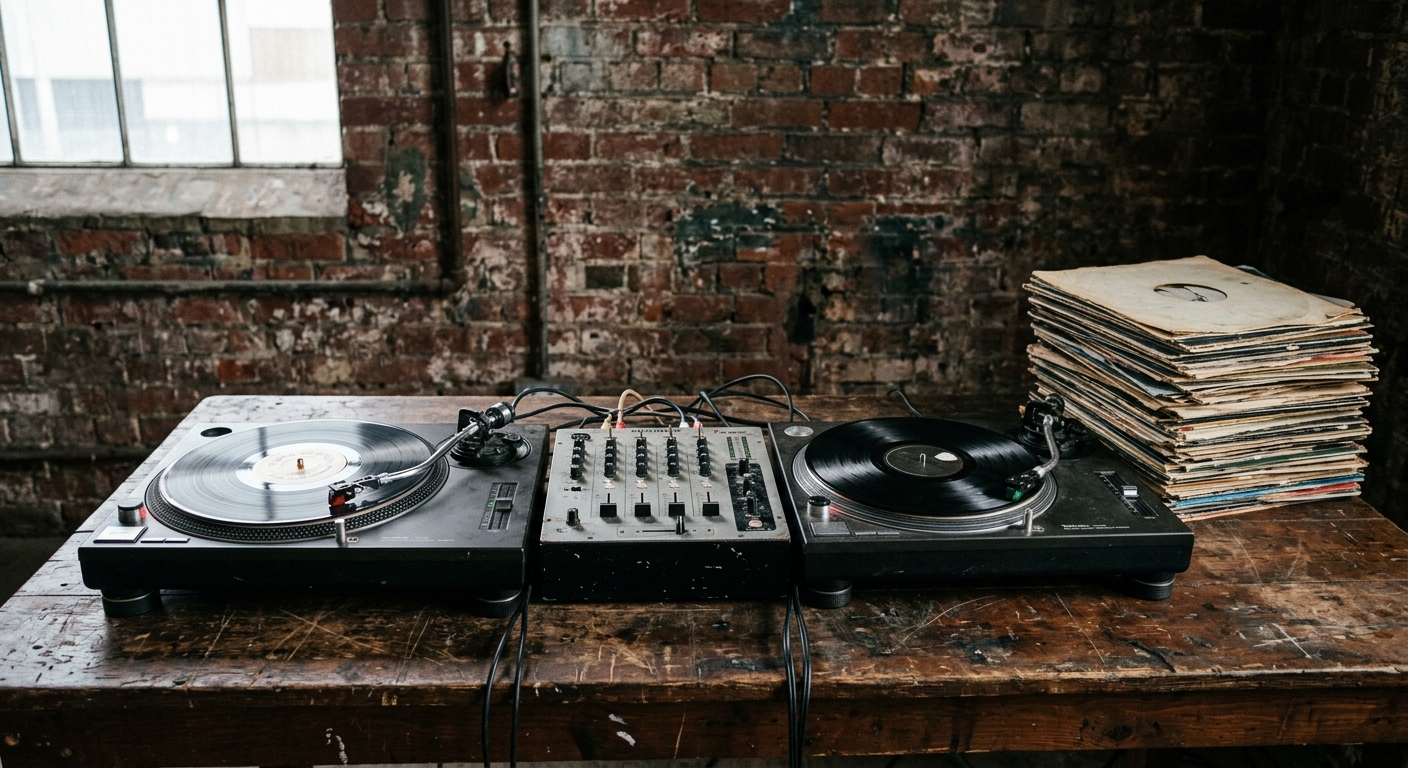
An essential part of the show is devoted to the origins of hip hop, tracing its emergence in the Bronx and Upper Manhattan. Visitors can see items like DJ Grandmaster Flash’s turntables and beat box. Notably, Grandmaster Flash hand-picked vinyl displayed on the wall, marking the precise spots where key drumbeats appear—a nod to the artistry that defined early hip hop.
Celebrating Resilience and Global Impact
Robinson, who collaborated with over 30 different lenders for the exhibition, emphasizes the ongoing influence of these musical movements. "The theme is universal—the idea that in a moment of hardship, New Yorkers are resilient, they're creative, they're innovative, and they're making a global impact," she said.
Exhibition Details
"You Should Be Dancing: New York, 1976 and Beyond" will be open at the New-York Historical Society through April 4. For those interested in exploring the vibrant history of the new york music revolution, more information is available at the New-York Historical Society website.
Source: ny1.com.