- calendar_today August 25, 2025
New York Luxury Retailers Transform to Emerging Consumer Needs in 2025
Meta Description:
New York luxury retailers in 2025 are revolutionizing shopping the way with personalization, digitalization, and sustainability to meet emerging consumer needs.
Aligning to Personalized Shopping Experience
New York department store luxury 2025 is emphasizing the highly personalized shopping experience to appeal to discerning shoppers. Hudson Yards and Upper East Side Manhattan boutiques such as Toteme, Kallmeyer, and Khaite develop intricate, highly curated inventory and distinct in-store environments that speak to customers hungry for exclusivity and personalized attention. Hudson Yards and Upper East Side boutiques present a serene refuge from the frenetic retail environment elsewhere in the city, allowing customers to engage in-depth with brands and merchandise.
Bringing Technology into Retail Spaces
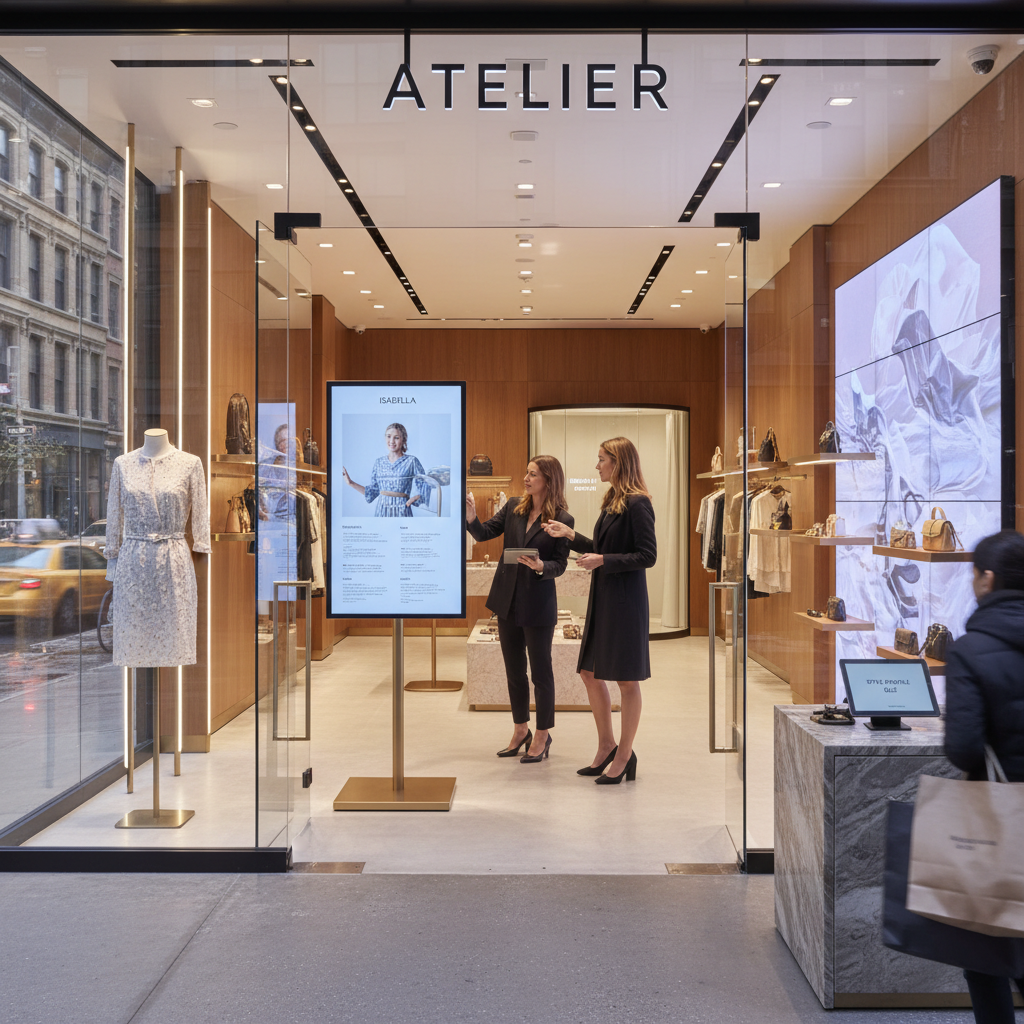
Technology is a driving force in bringing the modern luxury retail experience to New York. Designers are embracing digital technology as a means to drive customer engagement and awe, as well as operational efficacy. Virtual try-on workshops, artificial intelligence recommendations, and interactive screens are becoming the norm, giving consumers personalized experiences to unveil products and make informed choices.
Emphasizing Sustainability and Ethical Practices
Contemporary consumers care more about sustainability and ethics in their purchasing decisions. New York’s luxury retailers are taking note, embracing environmentally friendly initiatives such as recyclable materials, waste minimization, and fair trade. These will not appeal to all environmentally-friendly consumers, but it is also the direction towards responsive sourcing in the industry overall.
Revitalizing Retail Spaces with Culinary Experiences
To attract and keep customers, high-end department stores are transforming classic shopping centers into multi-faceted spaces. For instance, Parisian department store Printemps incorporated a range of upscale restaurants into its One Wall Street store, offering a unique blend of dining and shopping experiences. It is the appeal to customers who seek something beyond merchandise, treating them to vibrant spaces where luxury retail meets lifestyle experiences.
Adopting Shifting Trends Among Luxury Consumers
There is a shifting of luxury consumer trends, with younger generations and multiculturalism driving the market. In response, retailers are developing products and experiences that communicate with these segments, focusing on authenticity, cultural connection, and inclusivity. This evolution renders luxury brands relevant and aspirational to even more individuals.
Long-term stability is invested in through real estate
To meet unruly rental markets and demands for long-term stability, prestige brands are buying high-end locations of property across New York City. With control over their retail properties, brands have greater influence over their environment, leading the way for the infusion of customized store design and stabilized brand presence. This business is a reflection of the commitment to maintaining a strong physical presence in top markets.
Conclusion
With lifestyles changing, New York luxury retailers are learning how to reinvent themselves. Through investing in made-to-order experiences, embracing digital innovations, greening their businesses, and reimagining store spaces, they’re remaking the script on what luxury retailing in 2025 will entail. These changes not only make customers happier but also position brands to thrive in an increasingly dynamic market.
Key Takeaways
- Personalized retailing is at the center of making today’s luxury buyers happy.
- Technological embedding enables more productive customer engagement and easier shopping.
- Social cause and ethical commerce are getting placed higher on consumer agendas.
- Combining lifestyle elements such as dining with retailing enables greater consumer involvement.
- Attending to diverse consumer groups ensures broader market penetration.
- Investment in real estate gives brands greater control and longer-term stability.