- calendar_today August 8, 2025
The story of New York real estate has always been one of reinvention, and in 2025, that narrative continues to evolve. After a few unpredictable years driven by pandemic disruption, rising interest rates, and buyer fatigue, the state’s housing market is entering a phase of cautious recovery mixed with ongoing recalibration.
From city condos to Hudson Valley homes, change is in the air. Here’s a closer look at the major shifts expected to shape how—and where—New Yorkers live this year.
There’s some good news on the financing front. Mortgage rates are expected to inch downward this year, especially if inflation keeps cooling. But don’t expect a dramatic drop that suddenly makes buying in Manhattan affordable again.
Even if rates dip from around 6.8% to 6.2%, buyers in New York’s high-cost zones will still need hefty down payments and strong financials. For many first-time buyers, the math still doesn’t add up—especially in the five boroughs.
2. The Suburbs and Smaller Cities Are Seeing a Migration Boost
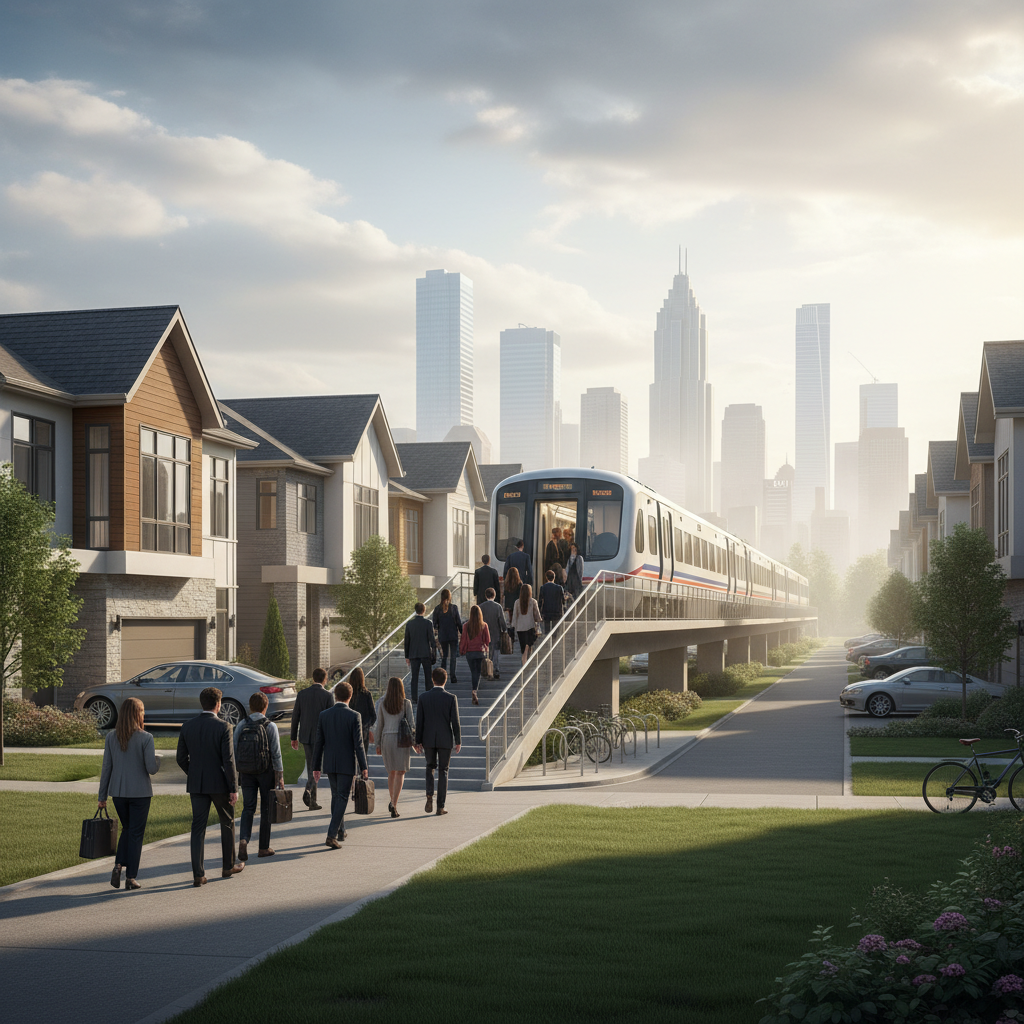
As prices in NYC proper remain sky-high, more people are setting their sights just beyond the city limits. Westchester, Rockland, and even parts of the Catskills are drawing interest from folks looking for more space, lower prices, and a slightly slower pace of life.
Remote and hybrid work have made it easier to make the leap, and for many buyers, a train ride into the city a few times a week is a fair trade-off for a backyard and extra bedrooms.
3. Inventory Is Scarce—and It’s Holding Back the Market
Ask any real estate agent in New York, and they’ll tell you the same thing: there simply aren’t enough homes for sale. Many owners are sitting tight, reluctant to trade in their low-interest mortgages for today’s higher rates.
And on the construction side, it’s still slow going. Zoning restrictions, high costs, and long approval times continue to limit new housing, especially in the city. That lack of supply keeps prices high and competition fierce.
4. Renters Are Feeling the Squeeze—Again
Rents across New York have climbed steadily, and 2025 doesn’t look much different. With fewer people able to buy, more are staying in the rental market longer, which is driving prices up further.
In Manhattan and Brooklyn, average rents are expected to rise another 4–6% this year. Even in outer boroughs like Queens or areas of Long Island, the pressure’s on. Many renters are now eyeing long-term leases or moving farther out to stretch their budget.
5. Tech Tools Are Becoming Essential—Even in a Human-Centric Market
While buying or selling a home in New York still involves plenty of personal interaction, technology is playing a bigger role than ever. AI-powered search tools, virtual tours, instant valuations—they’re all helping buyers make faster, more informed decisions.
Agents who embrace these tools aren’t replacing human connection—they’re enhancing it. Especially for younger buyers, a smooth digital experience is no longer a bonus—it’s the baseline.
6. Affordability Isn’t Just a Buzzword—It’s a Barrier
Let’s face it: the cost of housing in New York has outpaced income growth for years. In 2025, that divide is growing more noticeable. Starter homes are practically a unicorn in many parts of the city, and closing costs add another wall for buyers to climb.
Without major policy intervention or a big boost in multi-family development, it’s hard to imagine affordability improving in the near term. Many would-be buyers are stuck renting—not by choice, but because there’s no feasible path forward.
7. Climate Risks Are Starting to Change the Map
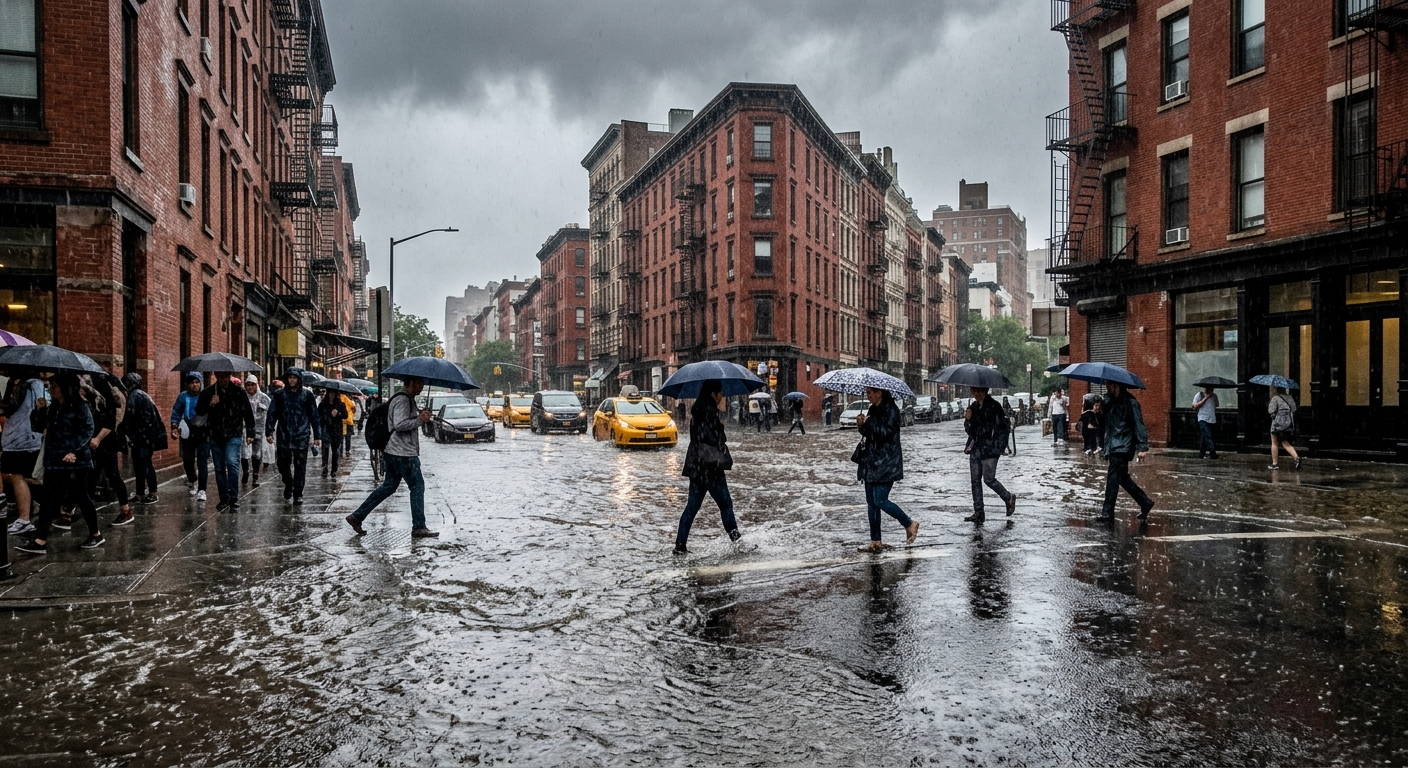
Flooding, hurricanes, and rising sea levels are no longer distant threats—they’re realities. In coastal areas like Queens and Staten Island, insurance costs are rising, and some buyers are starting to rethink where they plant roots.
Developers are adapting too. In newer projects, things like elevated construction, stormproof materials, and green infrastructure aren’t just eco-conscious—they’re marketable features. Sustainability is becoming just as important as square footage.
Where the Market’s Buzzing
Beyond the city center, several areas are catching buyers’ eyes:
- Jersey City, NJ – Easy Manhattan access and new developments
- Yonkers & White Plains – Appealing to buyers priced out of the city
- Albany & Buffalo – Gaining ground thanks to remote work and affordability
- Patchogue (Long Island) – Attracting families seeking community and space
These emerging markets offer options that balance cost, access, and quality of life.
What It All Means for 2025
If you’re hoping to buy in New York this year, patience and flexibility are essential. Sellers can still benefit from low inventory, but need to stay grounded on pricing—especially if a property needs updates. And investors may find solid returns in multi-family units or upstate rental markets where demand is climbing.
The road ahead isn’t easy, but it’s not without promise. In true New York fashion, the market remains resilient, even when the rules keep changing.