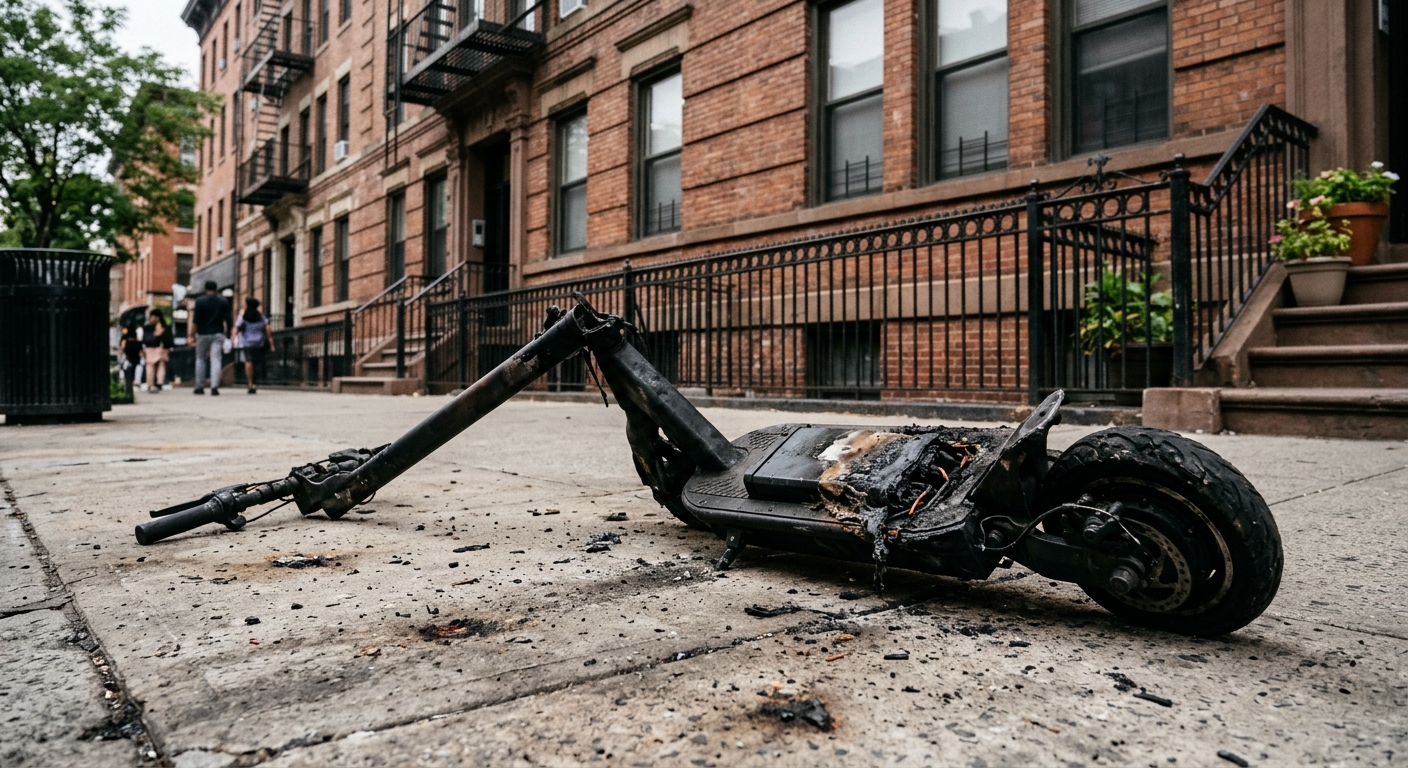
AI-generated illustration; not a photograph of the reported event.
- calendar_today November 21, 2026
FDNY Grapples with Multiple Challenges in 2024
This year has seen the Fire Department of New York (FDNY) contending with a range of serious issues, including deadly fires fueled by lithium-ion batteries, persistent shortages in emergency medical services (EMS), and the immediate aftermath of a fatal building collapse in Flatbush. Department leaders recently outlined their concerns and response strategies in a public discussion.
Fire Deaths Rising Amid Lithium-Ion Dangers
Fire-related deaths in New York City have nearly doubled compared to the previous year, with a significant number attributed to lithium-ion batteries. First Deputy Commissioner Daniel Flynn emphasized that awareness campaigns have helped some, but incidents linked to these batteries continue to surge. So far this year, there have been 423 fires related to lithium-ion devices, compared to 256 in the same period last year. Tragically, nine fatalities have resulted from these fires in 2024, up from one last year.
Battery Safety and Prevention Efforts
Flynn urged residents to heed FDNY safety guidance, which can be found at fdnysmart.org, and recommended charging and storing lithium-ion batteries outside whenever possible. He warned that devices should never block an exit path and highlighted the importance of safe disposal, as improper disposal is leading to more fires, including incidents on garbage trucks. Residents are encouraged to use designated disposal sites rather than discarding batteries in regular trash.
Legislative and Enforcement Actions
The FDNY is actively supporting efforts at the federal level to prohibit the import of dangerous and uncertified batteries into the United States. Locally, New York City has already passed legislation banning the sale of non-certified batteries that have not been tested by nationally recognized laboratories. FDNY collaborates daily with the Department of Consumer and Worker Protection to enforce these rules and reduce the distribution of hazardous products.
EMS Staffing Shortages and Response Times
FDNY Commissioner Lillian Bonsignore, the department’s first leader from the EMS ranks, acknowledged ongoing difficulties in recruiting and retaining EMS workers. Inadequate pay is a major factor, with some EMS workers earning as little as $18 an hour. Bonsignore noted that the workload and stress, exacerbated during the COVID-19 pandemic, have made the job less attractive nationwide. Department data shows that EMS response times for life-threatening emergencies remain at record highs, and as emergencies increase, underfunded teams struggle to meet demand.
Deploying Limited Resources
Bonsignore explained that decisions about EMS coverage are made dynamically, with constant monitoring of incidents across all five boroughs. The department prioritizes resources for the most urgent calls and redeploys teams as needed to maintain timely responses where possible. However, maintaining low response times for life-threatening situations remains a challenge without sufficient staffing.
Lessons from the Flatbush Building Collapse
This month’s building collapse in Flatbush, which claimed eight lives, tested the FDNY’s training and interagency coordination. Flynn stated that the response demonstrated the value of robust training and strong collaboration with agencies such as the NYPD and New York City's emergency management office. Commissioner Bonsignore reassured the public that concerns about building safety should be reported promptly—non-emergency complaints can go to 311, while emergencies should be reported to 911 for immediate assessment.
Ongoing Commitment to Safety and Community
The FDNY continues to adapt its approaches to the evolving challenges posed by modern hazards, staffing needs, and the safety of New York’s residents. Department leadership remains engaged with legislative solutions, public education, and interdepartmental partnerships to improve outcomes and public trust.
Related coverage
Source: gothamist.com.