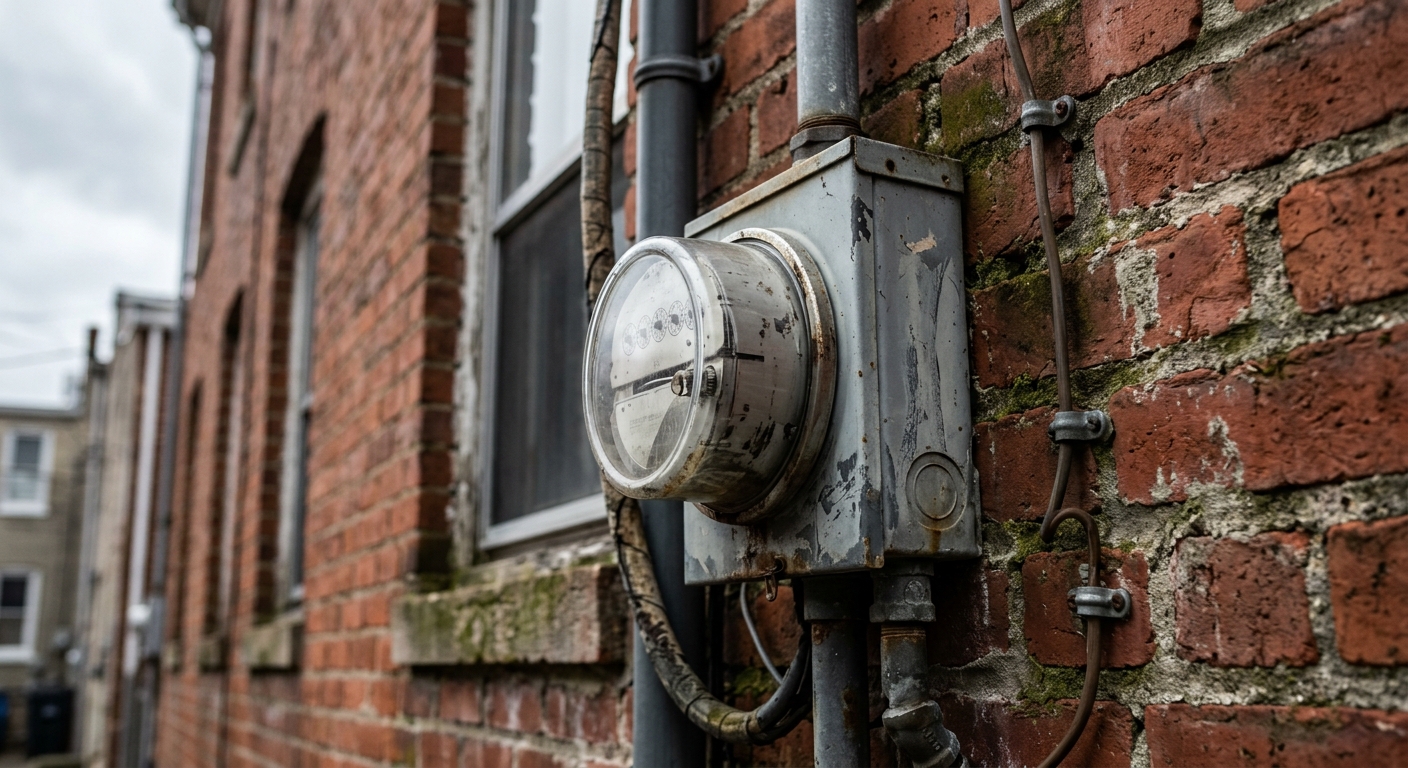
AI-generated illustration; not a photograph of the reported event.
- calendar_today November 21, 2026
Introduction: The Burden of Utility Bills in New York
New Yorkers face some of the highest utility bills in the United States. According to a Siena University survey, over 70% of New Yorkers report that these high costs negatively impact their finances. Understanding why residential energy prices have risen so steeply involves examining policy, infrastructure, power generation, and future strategies for the state’s energy needs.
Rising Costs: A Decade of Increasing Energy Prices
Joshua Macey, a Yale Law School professor with expertise in energy policy, highlights the sharp increase in utility bills over recent years. Between August 2019 and August 2026, New York’s residential energy prices increased by almost 56%, compared to a 36.5% rise nationally, according to U.S. Energy Information Administration data. Con Edison reports that the average monthly energy bill for a single-family home in New York City is now $218, up from $144 before the COVID-19 pandemic. Upstate, New York State Electric and Gas (NYSEG) customers have seen average monthly bills rise from $71 in 2019 to $147 in 2026.
Key Drivers: Infrastructure, Energy Supply, and Policy
Macey identifies three main factors for high utility bills: high infrastructure costs, rising energy prices, and complex energy policies. The state’s grid, managed by the New York Independent System Operator (NYISO), monitors demand and dispatches power to utilities. Kevin Lanahan, NYISO’s senior vice president for external affairs, notes that supply has not kept pace with rising demand, contributing to higher electricity costs. Additionally, New York’s move away from coal-fired and certain older natural gas plants has tightened supply, as stricter emissions rules forced some plants to either invest in upgrades or cease production.
The Impact of Power Plant Closures
A significant event affecting New York’s electricity costs was the closure of the Indian Point nuclear power plant in Westchester in 2021, following a state-brokered deal in 2017. The facility had supplied 25% of New York City’s electricity. Its closure increased reliance on fossil fuel sources, as new renewable infrastructure was not yet in place to compensate. This supply gap led to additional rate increases for consumers.
Renewable Energy, Subsidies, and Reliability Concerns
New York has invested in solar and wind projects, but these efforts face criticism over high taxpayer subsidies and costs. Recent debates, such as those over wind turbine projects in Madison County, underscore concerns about financial impacts. Meanwhile, NYISO warns of potential energy reliability deficiencies starting in 2032 or 2033 if action is not taken soon.
Nuclear Power’s Role and Future Outlook
Governor Kathy Hochul has responded to reliability and cost challenges by relaxing select state mandates for green energy targets and approving projects like the Northeast Supply Enhancement Pipeline. She is also pursuing the construction of New York’s first new nuclear plant in decades. Constellation, which operates three upstate nuclear sites employing around 2,000 people, continues to benefit from a $400 million annual state subsidy extended through 2049. While proponents argue this saves money in the long term and provides about 20% of the state’s power, critics cite locked-in costs on already high bills.
Building new nuclear facilities presents financial and implementation challenges. "There’s not a great appetite to absorb the risk of developing those first of a kind projects,” said Mark Rodgers of Constellation. Future progress will require collaboration among multiple stakeholders to ensure cost-effective and reliable energy for New Yorkers.
Source: ny1.com.