AI-generated illustration; not a photograph of the reported event.
- calendar_today November 2, 2026
MTA Faces Potential $900 Million Funding Shortfall
The Metropolitan Transportation Authority (MTA) could encounter a budget deficit nearing $900 million within the next four years, according to a recent analysis by the Citizens Budget Commission. The budget watchdog projects that without significant changes, MTA spending will outpace fare revenue, creating a substantial financial gap by the end of the decade.
Commission Proposes Sweeping Job Cuts
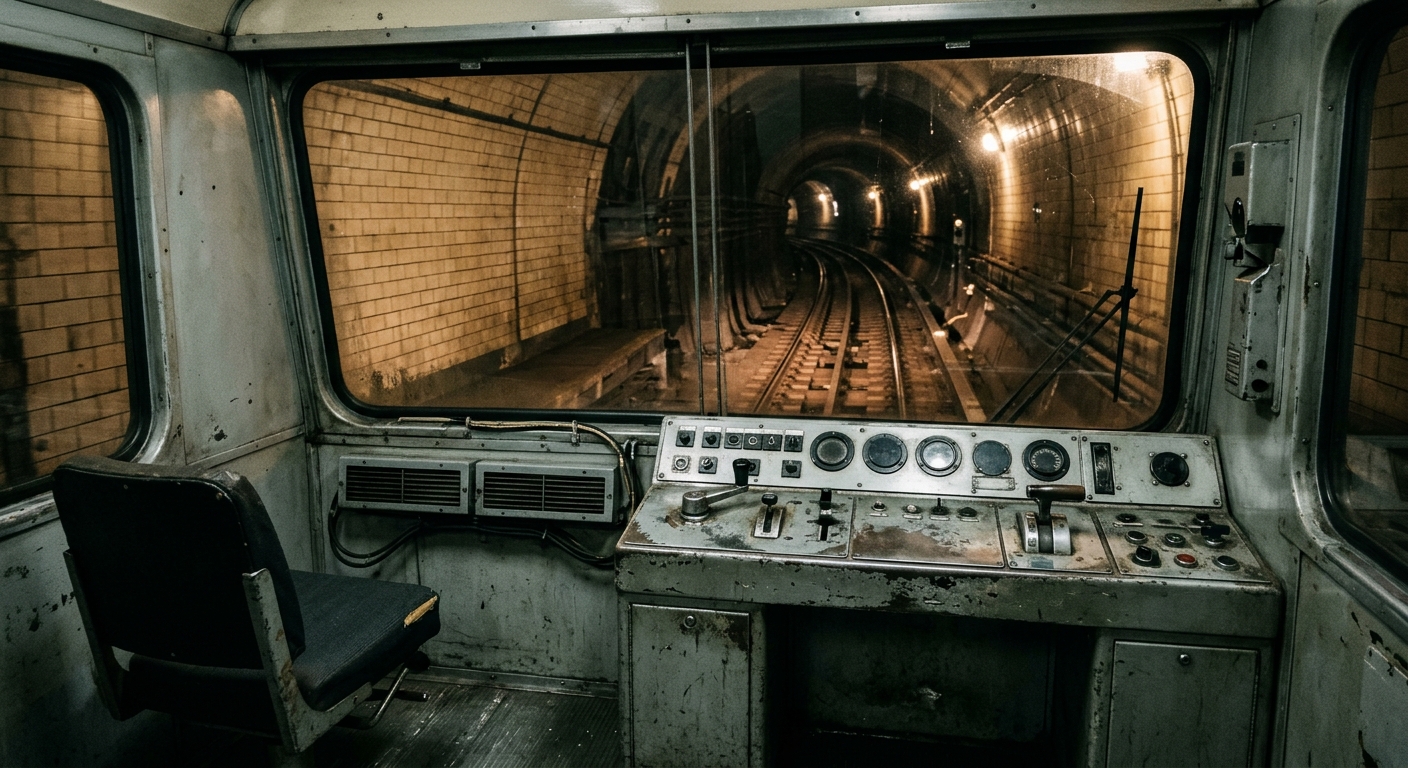
The Citizens Budget Commission recommends eliminating positions that have become obsolete due to technological advancements. Among its proposals, the Commission suggests transitioning to one-person train operations on lines equipped with modern, computer-based signals—systems already in place on the L and 7 subway lines. Currently, these automated lines involve conductors opening and closing doors, while operators are largely responsible for remaining alert and signaling their attention at regular intervals.
Potential Savings From Reduced Train Crews
According to the Commission's report, eliminating operator jobs on the L and 7 lines could yield $36.5 million in annual savings. Extending the one-person train operation model system-wide could save the MTA as much as $500 million per year. Further implementation depends on the continued upgrade of signal systems on other lines including the A, C, E, F, G, M, and R, where two-person operations are still necessary.
Labor Negotiations and Legislative Context
The timing of the recommendations is notable as Transport Workers Union Local 100 is currently negotiating a contract with the MTA representing 40,000 subway and bus workers. The MTA is also preparing to release its next financial plan, which includes a proposed 4% fare and toll increase. The board is scheduled to vote on the plan in December. Transport Workers Union of America President John Samuelsen criticized the Commission’s recommendations, stating, “It's essentially a recommendation to balance alleged deficits that the MTA has off the backs of working people.”
Last year, an effort in the state legislature to mandate two workers on every MTA train was vetoed by Governor Kathy Hochul, leaving the door open for one-person train operations in the future. The Commission argues that mandated staffing levels hinder modernization and the ability to realize cost savings from technology.
Additional Cost-Saving Proposals
Beyond train crew reductions, the Citizens Budget Commission advises streamlining fare collection on the Metro-North and Long Island Rail Road by checking tickets before passengers board, reducing the need for conductors to walk through trains. The report estimates that cutting more than 1,000 jobs on these commuter lines could save $380 million annually.
The Commission also recommends increasing healthcare premium contributions from MTA retirees, which could provide an additional $315 million each year. Without cuts to labor and healthcare costs, the Commission estimates that the MTA will face a $300 million budget gap next year, growing to $900 million by 2030. Their combined recommended reforms could save the agency up to $2.5 billion per year.
Response from Labor Representatives
In response to the suggested reforms, Samuelsen pointed out that many MTA workers, including laborers, ironworkers, track workers, and crane operators, earn less than their private-sector counterparts but choose MTA employment due to its retirement benefits. The discussion highlights the ongoing tension between cost savings and maintaining workforce standards as the MTA continues to address its financial challenges.
Source: gothamist.com.