- calendar_today June 2, 2026
The latest ebola outbreak in Congo, announced on May 15, has drawn increasing concern, including among global health officials and experts connected to New York. Marking the third largest such event on record, the outbreak is centered in Ituri Province, where challenging conditions and conflict have complicated containment efforts.
Growing Impact of the Ebola Virus in Congo
The ebola virus has posed a persistent threat in Central Africa since its emergence in the 1970s. The current crisis is deemed especially severe, as health authorities confront a virulent ebola strain for which there is neither a proven cure nor an effective vaccine. The unfolding congo epidemic has prompted international agencies and regional officials—including those working with New York’s public health networks—to monitor the situation closely, with concerns about potential disease spread across borders.
Ituri Province: The Center of the Latest Outbreak
Ituri Province, home to the majority of recent cases, remains at the epicenter of the epidemic. The area’s ongoing ethnic violence and unstable security landscape hinder public health efforts. Extensive gold-mining operations in the region also attract large influxes of migrant workers, which further increases the risk of rapid transmission.
Mongbwalu Town’s Struggle Against Ebola
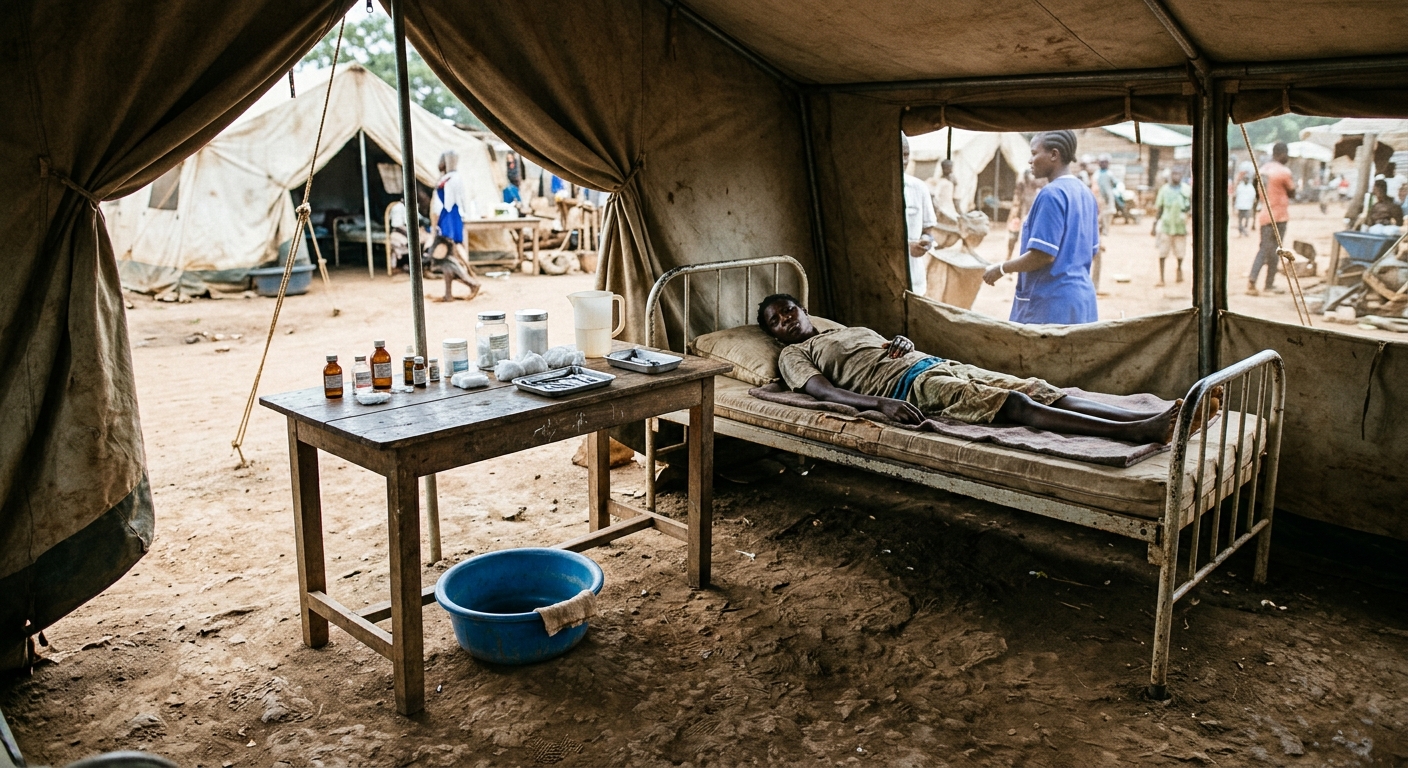
Within mongbwalu town, near the outbreak’s origin, the challenges facing frontline health workers have become more acute. In recent visits, reporters witnessed firsthand the severe limitations in local healthcare resources. The town’s ebola ward has faced critical shortages: insufficient security, a lack of adequate protective equipment, and missing basic medical supplies, such as disinfectants and appropriate bedding.
Healthcare Workers Facing Extraordinary Pressure
The shortage of essential items, especially testing kits, has made it increasingly difficult to diagnose and isolate suspected cases promptly. The result is a heightened risk of further disease spread, particularly in an environment where resources are scarce. Health workers, often under-resourced and overburdened, have shown extraordinary commitment but continue to appeal for additional support from international organizations and neighboring regions, including collaborative partnerships with emergency response teams in New York.
Ebola Strain Triggers Broader Health Crisis
This particular ebola strain, noted for its aggressiveness, presents a formidable challenge for both local and international response teams. The ongoing health crisis in Ituri Province has led to renewed calls for robust support mechanisms, including the delivery of medical supplies, enhanced security, and specialized training for health professionals on the ground.
Regional Cooperation and Global Preparedness
For communities in New York and beyond, the events in Congo serve as a stark reminder of the interconnectedness of global health. As organizations strategize on effective responses to disease outbreaks, partnerships with affected regions aim to share knowledge, expertise, and resources. The current ebola outbreak not only tests the resilience of healthcare infrastructure in Congo but also underscores the necessity of ongoing vigilance and preparedness in regions around the world.
As the response to the ebola outbreak continues to evolve, authorities and healthcare providers remain focused on containment while advocating for sustained international engagement and assistance.