- calendar_today April 16, 2026
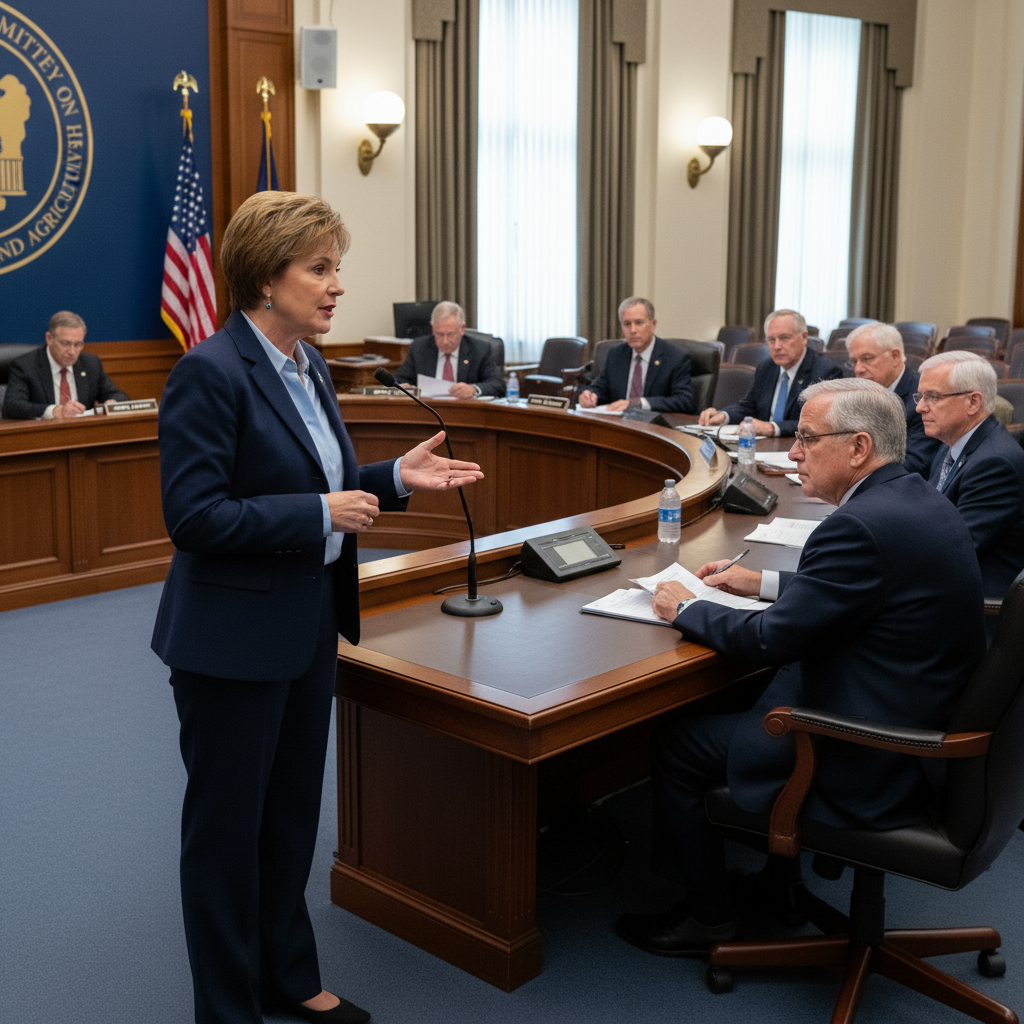
NEW YORK — In a pivotal moment for U.S. health policy, Health Secretary Robert F. Kennedy Jr. delivered his first congressional testimony of the year, drawing renewed attention to national and regional public health priorities. The robert kennedy jr testimony launched a congressional series poised to influence health legislation and federal policy leading into the midterm elections, with New York lawmakers and institutions closely watching the outcomes.
Kennedy’s Emphasis on Combating Chronic Disease
During his congressional testimony, Kennedy underscored the urgent need to address rising rates of chronic disease. He called for modernizing dietary guidelines, pointing to the prevalence of preventable illnesses that strain healthcare systems in both New York and across the nation. Kennedy advocated for phasing out select food dyes, a move intended to bolster community health and meet emerging public health standards.
Congressional Health Policy Hearings Focus on Innovation
The first in a series of health policy hearings convened leading lawmakers, advocates, and health experts. Discussions ranged from food safety to regenerative farming as a tool for sustainable nutrition. Policymakers weighed investments in biomedical research as critical for advancing disease prevention, with a special interest in partnerships with research hospitals and universities throughout New York. The evolving priorities underscore a commitment to both urban and rural communities in the region.
Vaccine Policy and Dietary Changes Avoid Controversy
Kennedy’s testimony notably steered clear of contentious vaccine policy debates, focusing instead on bipartisan areas such as nutrition and chronic illness. Lawmakers appeared intent on sidestepping divisive topics during these initial sessions, instead exploring reforms likely to see broad support ahead of the midterm elections.
Broader Government Hearings Spotlight Homeland Security
Beyond health policy, the congressional week featured high-profile hearings on immigration enforcement and mass deportation under new Homeland Security leadership. While these issues are national in scope, their local impact on New York communities was highlighted. The us department health was called on to weigh implications for vulnerable populations, emphasizing the intersection of health and security in legislative planning.
Legal and Military Actions Draw National Scrutiny
Ongoing legal proceedings also shaped the week’s headlines, as attorneys involved in efforts to overturn the 2020 presidential election, including John Eastman, faced significant disciplinary measures. The California Supreme Court’s decision to disbar Eastman resonated with legal professionals in New York’s court system, signaling renewed scrutiny on professional conduct. Meanwhile, the Trump administration declared its recent maritime strikes against drug trafficking vessels as lawful military actions, invoking formal conflict doctrine with cartel organizations.
Theological Debates and Public Discourse
Rising political and religious discussions surfaced, particularly following criticisms of Pope Leo XIV’s anti-war remarks. The debates over just war doctrine found their way into regional conversations, affecting faith-based institutions across New York that grapple with the intersection of theology and civic action.
Ongoing Impacts and Regional Implications
Together, these interlinked policy, legal, and public health developments are shaping both national discourse and local realities in New York. The robert kennedy jr testimony and related health policy hearings are regarded as crucial steps in redefining federal priorities around chronic disease, food safety, and biomedical research. Regional leaders monitor these advancements, hoping for solutions responsive to local health challenges while reflecting broader shifts in U.S. governance heading into the midterm elections.