- calendar_today April 13, 2026
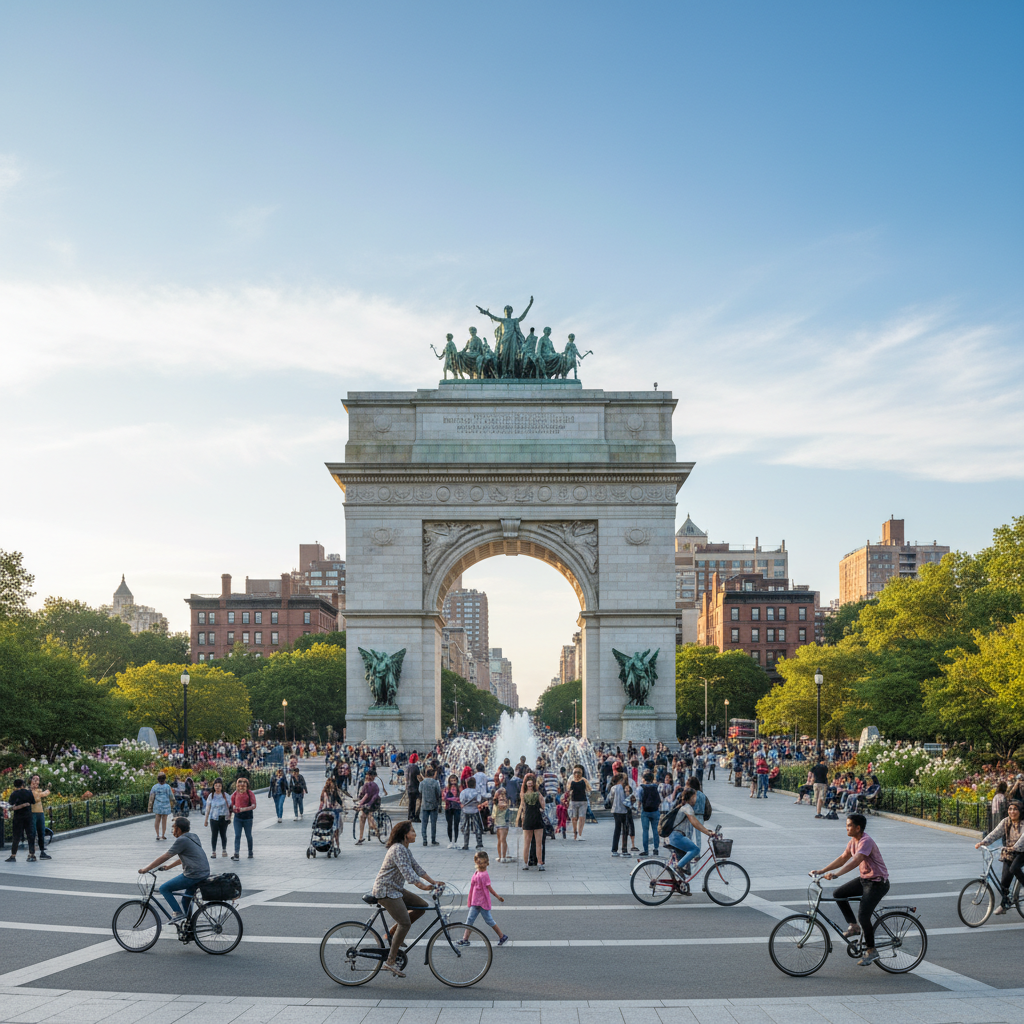
Grand Army Plaza, one of Brooklyn’s most prominent landmarks, could soon undergo a dramatic transformation following the unveiling of a new redesign proposal. Spearheaded by Mayor Zohran Mamdani, the initiative aims to convert a hazardous four-lane thoroughfare between the plaza and Prospect Park into a car-free plaza, prioritizing safety, accessibility, and community use. The proposed changes are highly anticipated by residents across Brooklyn who frequent the area’s public spaces.
Closing Roads for a Safer Brooklyn Plaza
Central to the Mamdani proposal is the closure of the southern portion of Grand Army Plaza, specifically the segment spanning Union Street to Eastern Parkway. By implementing this road closure, city planners seek to address years of concerns about hazardous vehicle traffic and difficult pedestrian navigation around the historic circle. This bold step will prohibit cars in the affected zones, creating a car free plaza that focuses on people-friendly infrastructure.
Expanding Public Space and Accessibility
The redesign is expected to expand public space by approximately three-quarters of an acre, amounting to a 42 percent increase in available areas for leisure and activities. This substantial public space expansion will enable more community events, gatherings, and safe pedestrian movement, fulfilling a longstanding request from advocates and local organizations. In addition, the proposal cuts the number of pedestrian and cyclist crossings from 39 to 24, streamlining navigation and decreasing potential conflict points.
Pedestrian Safety at the Forefront
Boosting pedestrian safety stands as a main pillar of the new plan. With traffic volume slated to decrease, city leaders expect fewer accidents and an overall safer environment for those visiting or commuting through Grand Army Plaza. Feedback from neighborhood associations indicates strong support for a safer, more accessible plaza, poised to become both a functional transit corridor and a true community hub connecting to Prospect Park.
New Bike Lanes and Walking Paths
Improving the experience for cyclists and pedestrians is another cornerstone of the initiative. The plan incorporates enhanced bike lanes and upgraded walking paths, inviting active transportation and recreation. These elements will establish stronger links between Grand Army Plaza, Prospect Park, and other key points in Brooklyn, accommodating the growing number of residents who rely on bikes and walking for daily travel.
Restoring the Soldiers and Sailors Arch Connection
A significant feature of the proposal is restoring the historical linkage between the Soldiers and Sailors Arch and Prospect Park. City officials intend for the memorial, one of Brooklyn’s most recognizable monuments, to finally serve as the formal entranceway it was designed to be. By eliminating fast-moving traffic from its vicinity, the arch’s symbolic role and visual prominence are set to be reborn.
Traffic Reduction and Community Response
Cutting the number of vehicle crossings through the plaza will lead to notable traffic reduction in the area, an action that many see as pivotal for sustainable city development. Community groups and transportation advocates have long urged policymakers to pursue such changes, emphasizing that improvements to both safety and accessibility are overdue.
Next Steps for Grand Army Plaza
With the proposal on the table, public consultation and further planning are expected to follow. Many Brooklyn residents view the Grand Army Plaza redesign as an essential move toward safer, more inclusive, and inviting public spaces. As discussions continue, stakeholders across the region will be watching closely to ensure the project addresses the evolving needs of Brooklyn’s diverse communities.