- calendar_today August 7, 2025
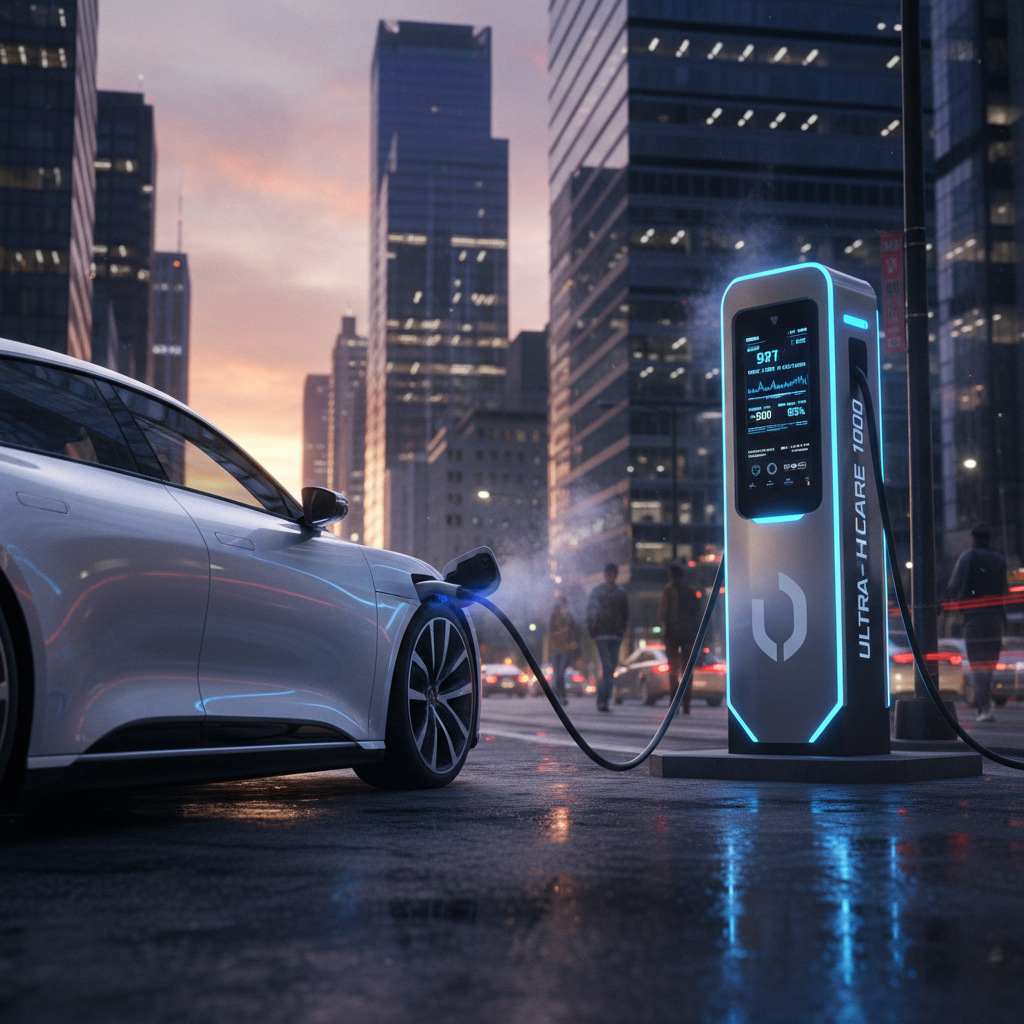
BYD’s recent breakthrough in charging technology is driving a fundamental shift for the electric vehicle industry. BYD has surpassed Tesla as the leading global EV seller and is now offering a charging system that substantially shortens refueling time while making electric vehicles more comparable to gasoline cars in terms of convenience. The “super e-platform” from BYD alongside its 1,000 kW DC chargers establishes groundbreaking standards that could transform electric vehicle adoption rates throughout the industry.
BYD’s technological edge stems from its groundbreaking 10C charging capability which surpasses existing industry norms. The combination of the 1,000 kW charging output results in an impressive addition of 249 miles (400 km) of range within five minutes. Tesla’s Superchargers which are recognized as industry leaders reach a maximum of 250 kW whereas Electrify America chargers operate at 350 kW and Formula E’s high-performance chargers deliver 600 kW.
BYD chairperson Wang Chuanfu expressed that the company aims to develop EV charging technology which matches the speed at which gasoline cars refuel to overcome one of EV adoption’s major challenges: lengthy charging periods. The introduction of BYD’s new technology brings its vision nearer to being actualized.
BYD plans to construct more than 4,000 megawatt chargers which will enable their new EV models Han L sedan and Tang L SUV to take full advantage of this cutting-edge charging technology. The new infrastructure and technology will initially serve only the Chinese market.
Navigating Regional Differences and Market Access
BYD has increased its market presence globally with Europe as its main focus yet faces substantial barriers to US market entry because of political restrictions. Members of Congress from both political parties have collaborated to stop Chinese EV manufacturers from gaining access to the US market which consequently delays the introduction of this innovative charging technology to American consumers.
Understanding the differences between various range estimation standards is also essential. BYD’s provided 249-mile range uses the CLTC (China Light-Duty Vehicle Test Cycle) standard which allows for more optimistic results than the EPA (Environmental Protection Agency) standard used in the United States. The actual vehicle range realized through EPA testing would probably be smaller.
BYD’s technological progress stands out despite existing regional differences and market access difficulties. Automakers based in the United States may consider licensing this technology from BYD as they expand their operations. The adoption of fast charging standards across the US could speed up through technology licensing which would help address political hurdles and expand rapid charging accessibility.
The Potential for Global Impact and Licensing
BYD’s development of 5-minute charging technology affects more than just the Chinese market. The widespread adoption or licensing of this technology by other automakers could drastically increase global EV adoption rates. The decrease in charging time solves a critical consumer issue which leads to EVs being more user-friendly and attractive to more potential buyers.
China’s deployment of chargers capable of delivering over 4000 megawatts signifies a significant advancement in charging infrastructure development. The Han L sedan and the Tang L SUV will serve as the first vehicles to utilize this cutting-edge technology. This new charging technology which allows vehicles to gain 249 miles of range in just five minutes will transform public perception of electric vehicles. The new charging technology brings the EV driving experience significantly closer to that of traditional gasoline vehicles.
BYD’s technological development marks a significant advancement for EV technology which could revolutionize how EVs charge and alter the trajectory of electric transportation. Consumer expectations will change and electric vehicle adoption will speed up through either licensing or direct adoption of this technology.